
In this article
If you have ever tried to open a PDF only to be greeted by a message starting with "Please wait... If this message is not eventually replaced by the proper contents of the document," you have encountered an XFA form. Because standard PDF viewers cannot read this specialized format, you need a dedicated xfa reader to access, fill, and save the document.
Finding the right xfa forms reader can be challenging, as the format is no longer actively supported by many modern applications. This comprehensive guide will introduce you to the top 7 XFA readers on the market, helping you seamlessly manage your dynamic PDF forms across Windows, Mac, Linux, Android, and the web.


 G2 Rating: 4.5/5 |
 100% Secure
What Are XFA Forms and Why Won't They Open?
XFA stands for XML Forms Architecture. Originally developed by JetForm and later acquired by Adobe, XFA forms are essentially XML data wrapped inside a PDF shell. They were designed to create dynamic forms that can automatically adjust their layout—adding rows or expanding text boxes—based on the user's input.
The problem is that XFA requires a specialized rendering engine. When the PDF 2.0 specification was released, XFA was officially deprecated in favor of the more standard AcroForm technology. As a result, native viewers like Apple Preview, basic mobile apps, and default browser PDF engines often fail to render them. To properly view and fill out these documents without printing them out, you need software specifically equipped to parse XML Forms Architecture.
Top 7 XFA Readers to Open and Fill XFA Forms
Here is our curated list of the best software available to read, edit, and fill XFA-based PDF forms.
1. Wondershare PDFelement: The Best Overall XFA Forms Reader
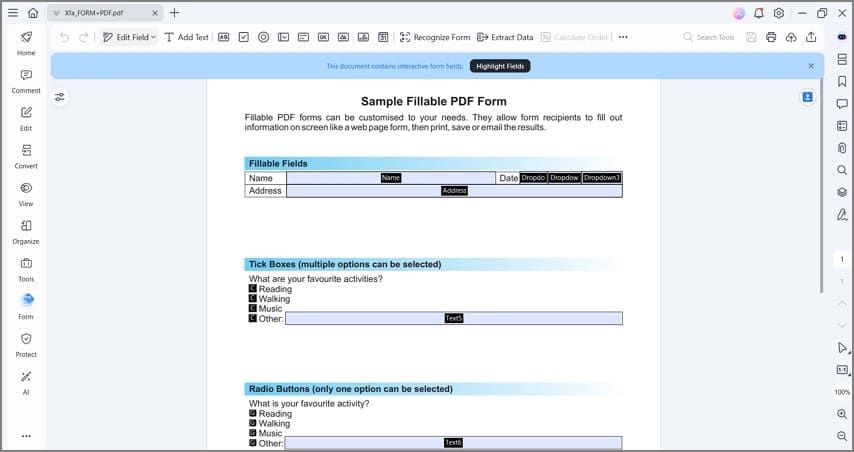
Wondershare PDFelement stands out as an exceptional xfa reader that blends ease of use with powerful PDF management features. It automatically recognizes XFA-based PDF forms the moment you open them, allowing you to instantly interact with the dynamic fields, input your data, and save your progress without any formatting loss.
Beyond just reading XFA files, PDFelement serves as a complete document management powerhouse. It allows you to convert XFA forms into standard, flattened PDFs, ensuring that the documents can be opened by anyone, regardless of whether they have an XFA-compatible viewer.
G2 Rating: 4.5/5 |100% Secure
2. Adobe Acrobat DC: The Original Standard
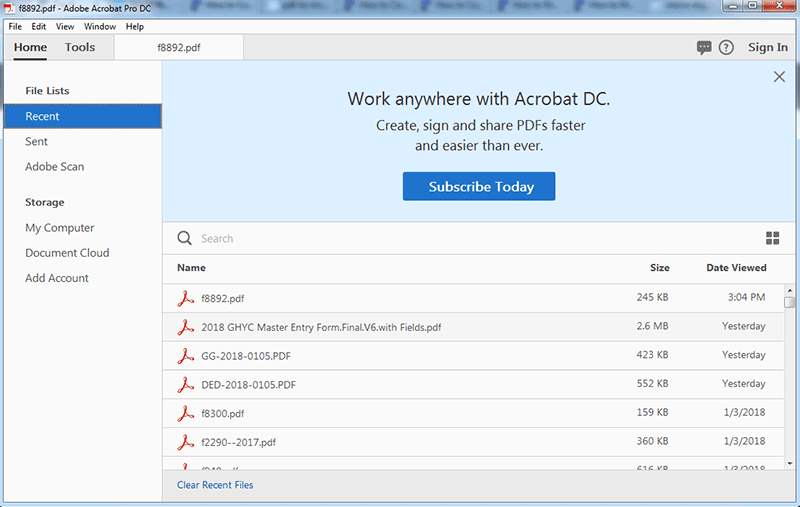
Because Adobe acquired the company that created the XFA standard, Adobe Acrobat DC (and the free Adobe Acrobat Reader) remains the gold standard for rendering these complex files. If an XFA form was created in Adobe LiveCycle Designer, Acrobat is virtually guaranteed to display it perfectly, preserving all dynamic scripts, calculations, and layout shifts.
For users who only need to fill out a form, the free Adobe Reader is often sufficient. However, for professionals who need to edit the underlying document or convert it to a standard AcroForm, the paid Adobe Acrobat Pro DC is required.
3. Foxit PDF Reader: The Lightweight Free Alternative
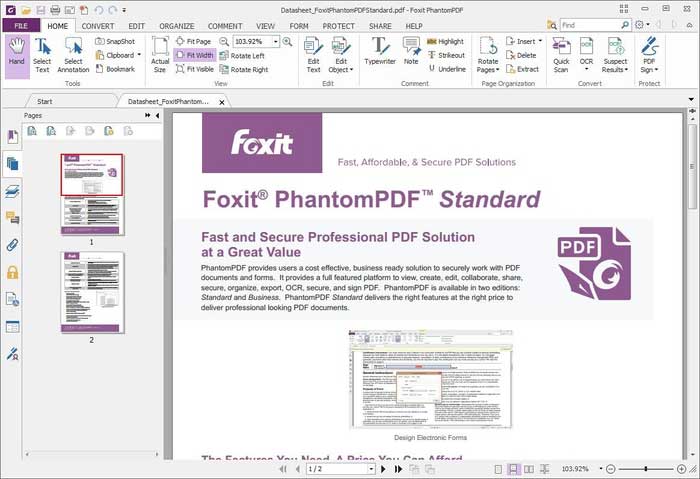
Foxit PDF Reader has built a massive following as the go-to alternative to Adobe. It is renowned for its lightweight architecture, fast launch speeds, and low memory consumption. Crucially, Foxit has supported XFA-based forms since version 5.0, making it one of the most reliable free tools for users who need an xfa forms reader without the bloat.
Foxit handles most dynamic form fields well and allows you to save the filled data effortlessly. For enterprise users, Foxit PDF Editor (the paid tier) offers even more advanced form-handling capabilities.
4. Tungsten Power PDF (Formerly Nuance Power PDF)
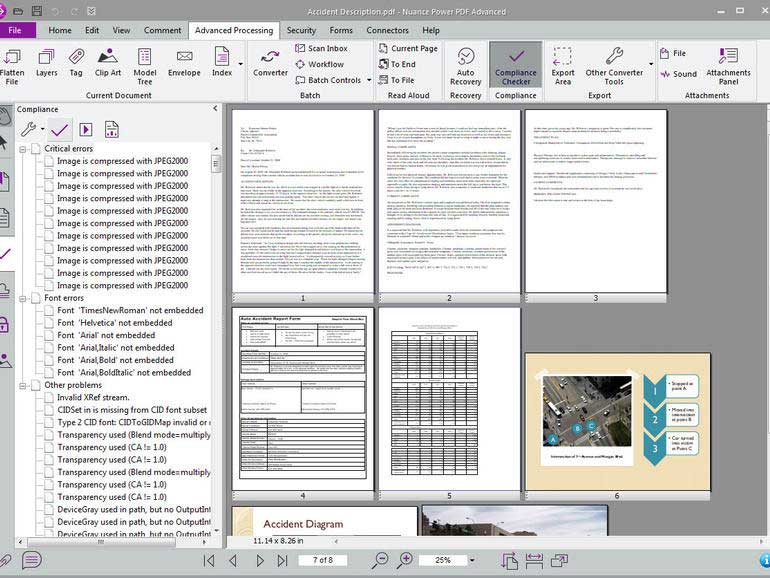
Previously known as Nuance Power PDF (and later Kofax), Tungsten Power PDF Advanced is a robust, enterprise-focused PDF solution. It is an excellent XFA reader that allows users to interact fully with embedded forms. Power PDF is designed to mimic the Microsoft Office ribbon interface, making the learning curve very gentle for office workers.
With deep cloud compatibility and integration with enterprise document management systems, it enables professionals to carry, access, and fill their XFA documents securely, no matter where they are working.
5. Master PDF Editor: The Best XFA Reader for Linux
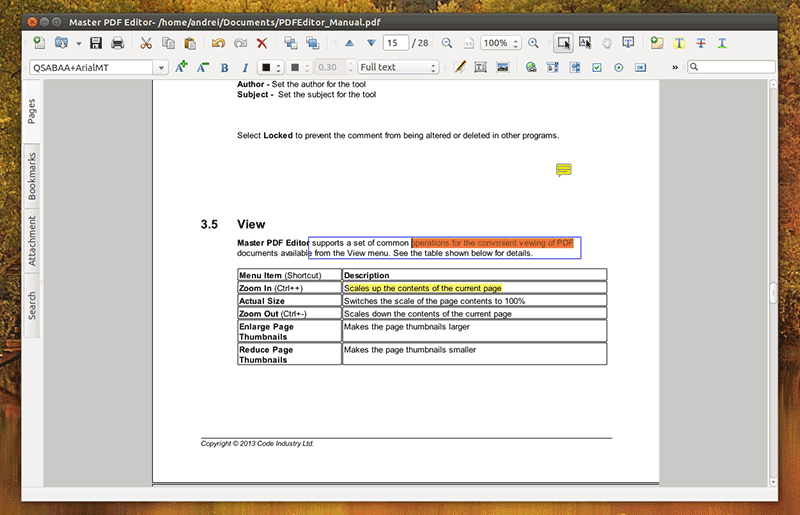
Finding a reliable PDF editor on Linux can be tricky, and finding one that supports XFA is even harder. Master PDF Editor bridges this gap perfectly. While it is available for Windows and macOS, it truly shines on Linux, providing native support for reading and filling XFA forms.
The software offers a free version that includes the XFA form-filling capability, making it an essential tool for Linux users who need to process government or corporate documents.
6. PDF-XChange Editor
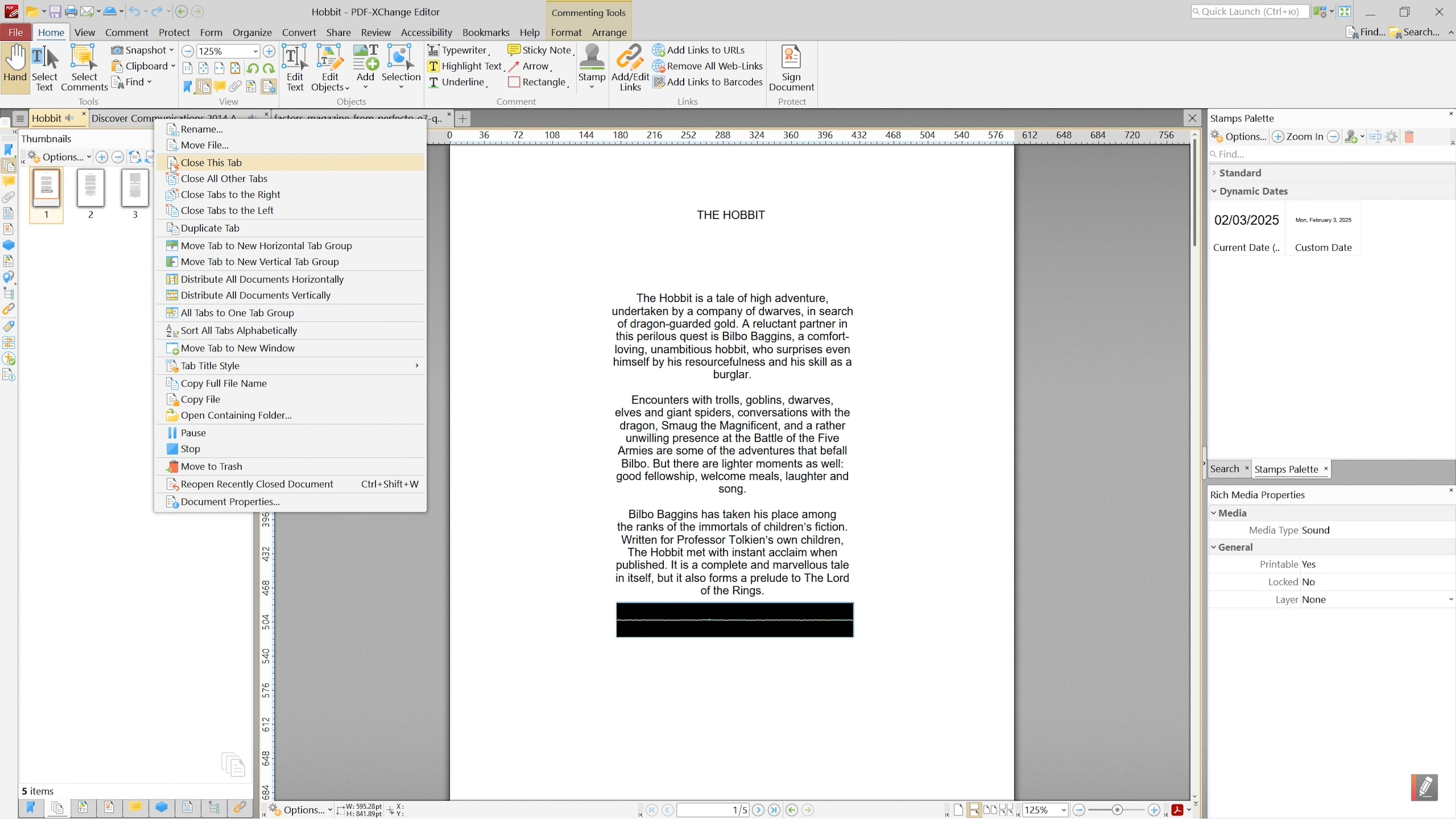
PDF-XChange Editor is a favorite among Windows power users. It is incredibly fast, highly customizable, and packs a massive amount of functionality into a relatively small installation footprint. Since version 2.5, it has offered robust support for reading XFA forms.
7. Web Browsers (Chrome & Firefox): The Quick Fix
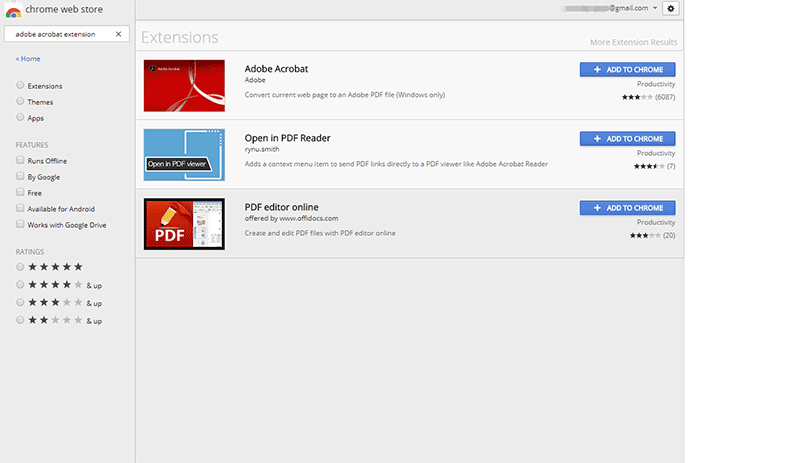
If you are in a rush, your web browser might be able to help. Google Chrome and Mozilla Firefox both feature built-in PDF rendering engines. Historically, browser PDF engines could not handle XFA. However, recent updates have introduced partial support.
Comparison of the Best XFA Form Readers
To help you decide which xfa forms reader is right for you, here is a quick comparison of our top picks:
| Software | Best For | XFA Support | OS Compatibility | Price Model |
|---|---|---|---|---|
| PDFelement | Overall editing & flattening forms | Excellent | Win, Mac, iOS, Android | Free Trial / Perpetual / Subscription |
| Adobe Acrobat | Flawless standard compliance | Native / Flawless | Win, Mac, iOS, Android | Free (Reader) / Subscription (Pro) |
| Foxit PDF Reader | Lightweight desktop use | Good | Win, Mac, Linux | Free / Paid Editor |
| Tungsten Power PDF | Enterprise environments | Very Good | Win, Mac | Perpetual License |
| Master PDF Editor | Linux users | Good | Linux, Win, Mac | Free / Perpetual |
| PDF-XChange | Windows power users | Good | Windows | Free / Perpetual |
| Web Browsers | Quick, one-off viewing | Variable | All platforms | Free |
G2 Rating: 4.5/5 |100% Secure
Frequently Asked Questions About XFA Readers
-
Is there an online XFA reader?
Yes, if you need to open an XFA form without installing heavy desktop software, you have a few online options. The easiest method is to use a web browser that has an Adobe Acrobat extension installed. Alternatively, you can use online PDF management platforms (like DocHub) that have XFA processing capabilities.
-
How do I open XFA-based PDF forms on Google Chrome?
Google Chrome features built-in PDF rendering support that can be manually enabled:
Step 1Launch Chrome and type chrome://flags into the address bar, then press Enter.
Step 2In the search box at the top, type XFA.
Step 3Look for the setting named PDF XFA support.
Step 4Change the dropdown menu from Default or Disabled to Enabled.
Step 5Relaunch Chrome.

-
How do I open XFA-based PDF forms on Mozilla Firefox?
Mozilla Firefox has rolled out robust native support for XFA PDF forms in its recent builds. When you encounter an XFA PDF online, Firefox's built-in PDF viewer treats it like a standard web page form. You can click into the fields, fill out your data, and use the download or print button to save the completed form.
-
What is the best XFA reader for Android?
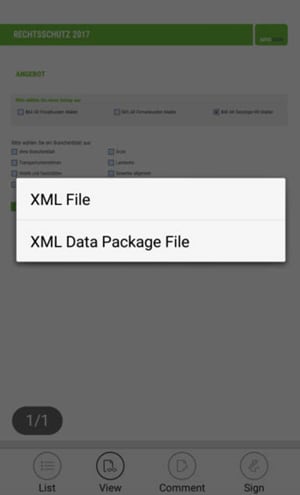
The best solution is Foxit MobilePDF (or the mobile version of Adobe Acrobat Reader). Foxit MobilePDF is a powerful mobile app that explicitly supports XFA forms, allowing you to view and fill dynamic fields using your touchscreen.
-
How can I convert an XFA form to a standard PDF?
Converting (or "flattening") an XFA form turns the dynamic document into a static PDF:
Step 1Open the XFA form in a compatible reader like PDFelement or Adobe Acrobat.
Step 2Fill out the necessary information.
Step 3Instead of using the standard "Save" button, go to File > Print.
Step 4Change your printer destination to "Print to PDF".
Step 5Click Print.