
In this article
- Understanding OneDrive OCR Capabilities
- How to Use OneDrive Scan OCR on Mobile Devices
- Leveraging OneDrive for Business OCR
- Common OCR OneDrive Issues and How to Fix Them
- The Limitations of Using OneDrive OCR PDF
- The Best Alternative to OneDrive OCR: PDFelement
- Comprehensive Comparison Chart
- Frequently Asked Questions (FAQs)
Digital cloud storage has revolutionized how we centralize, access, and manage our data. By uploading your documents to a cloud platform, you unlock the ability to access them anywhere, from any device. Microsoft OneDrive is one of the leading platforms in this space. Beyond simple file storage, OneDrive boasts a notable feature: Optical Character Recognition (OCR).
However, understanding exactly how OneDrive OCR works can be confusing. Does it let you edit a PDF? Can you copy text directly from a photo? In this comprehensive guide, we will explore the true capabilities of OCR in OneDrive, how to use it across different devices, how to troubleshoot common issues, and why you might need a dedicated alternative for professional document editing.


 G2 Rating: 4.5/5 |
 100% Secure
Understanding OneDrive OCR Capabilities
Before diving into tutorials, it is crucial to understand what Microsoft means when they talk about OCR in OneDrive. The functionality differs slightly depending on how you access the platform.
What is OneDrive OCR?
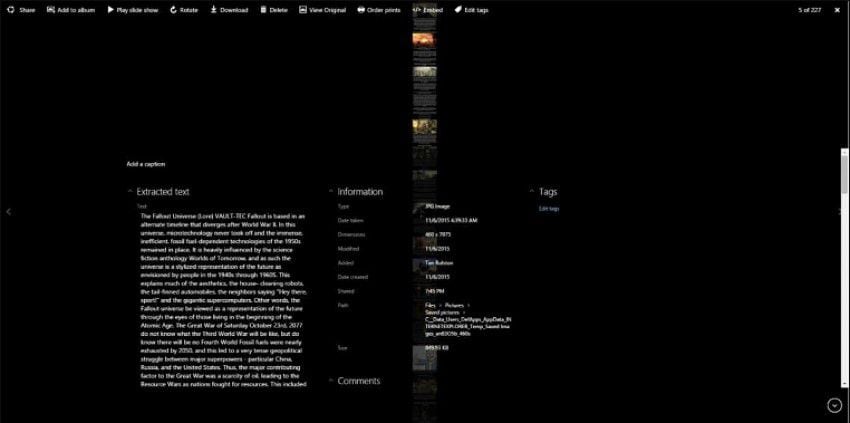
Optical Character Recognition is technology that identifies text within a digital image (like a JPEG, PNG, or scanned PDF) and converts it into machine-readable text. In the context of OneDrive, OCR is primarily used as a background service. When you upload photos of receipts, whiteboards, or documents, OneDrive automatically scans these images.
Background Indexing vs. Direct Extraction
For standard web users, OneDrive's OCR is mostly used for search indexing. This means if you take a picture of a menu that says "Pizza," you can search your OneDrive for the word "Pizza," and the image will appear in the results. However, directly extracting and editing that text within the OneDrive web interface is limited. To physically copy and paste the text, you typically need to rely on the OneDrive mobile app or companion apps like OneNote.
How to Use OneDrive Scan OCR on Mobile Devices
If your goal is to extract text from a physical document instantly, the best method is using the OneDrive scan OCR feature built into the mobile app for iOS and Android.
Step-by-step Guide for iOS and Android
The OneDrive mobile app includes a powerful lens feature that acts as a pocket scanner.
Step 1Download and Open the App
Install the OneDrive app on your smartphone and log in with your Microsoft account.
Step 2Access the Scanner
Tap the camera icon (usually located at the bottom center of the screen).
Step 3Select Document Mode
Swipe through the options at the bottom (Whiteboard, Document, Business Card, Photo) and select "Document."
Step 4Capture the Image
Align the document within the frame and tap the capture button. The app will automatically crop and enhance the image.
Step 5Extract the Text
Once the image is captured and processed, swipe up on the image. If the OCR engine recognizes the text, it will display an "Extract Text" option.
Step 6Copy and Share
Tap "Extract," and you can then copy the text to your clipboard to paste into an email, Word document, or note-taking app.
G2 Rating: 4.5/5 |100% Secure
Leveraging OneDrive for Business OCR
For enterprise users, OneDrive for business OCR operates on a much larger scale, heavily integrated with SharePoint and Microsoft 365.
SharePoint and Microsoft 365 Integration
When you use OneDrive for Business, your files are stored in a SharePoint document library. Microsoft 365 automatically applies OCR to images (TIFF, JPEG, PNG, BMP) and unsearchable PDFs uploaded to these libraries. This enterprise-level OCR can process up to 50,000 images per day per tenant.
Searching for Text in Uploaded Images
The primary benefit for business users is eDiscovery and seamless search. You do not need to manually run an OCR process. Once a document is uploaded:
- Wait a few moments for Microsoft's backend to index the file.
- Use the search bar at the top of your OneDrive or SharePoint site.
- Type a keyword known to be inside the scanned document.
- The system will pull up the image or PDF, highlighting the file containing the requested text.
Common OCR OneDrive Issues and How to Fix Them
While OCR OneDrive works seamlessly in the background most of the time, users frequently report issues on online forums. Because OCR relies on successful file uploads and cloud processing, syncing problems directly impact OCR functionality. Here are the most common issues and their solutions.
1. OneDrive Doesn't Sync Cloud Files Properly
This issue is incredibly common. If you upload a file on your computer, but it does not appear on the web, or the OCR search fails to find it, your files are likely not syncing properly. This prevents the cloud OCR engine from indexing the document.
The Solution: Restart the OneDrive Sync Client
Step 1
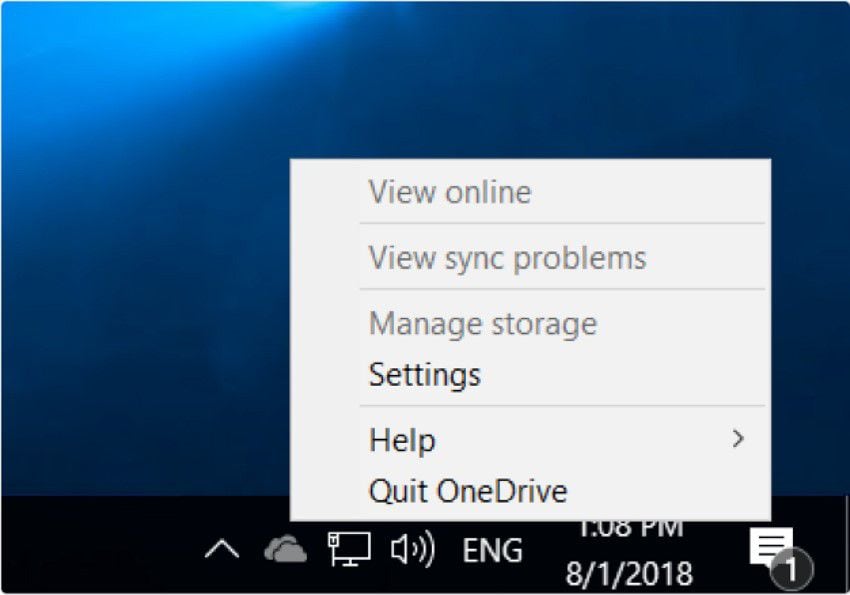
Look for the OneDrive cloud icon in your Windows system tray or Mac menu bar. Right-click on it, click the gear icon (Settings & Help), and select "Quit OneDrive."
Step 2
Once the program has fully closed, open your Start menu (or Spotlight on Mac), search for "OneDrive," and click it to re-launch. The application will verify your files and restart the syncing process.
2. Failing to Upload Files from the OneDrive Website
Sometimes, you might try to drag and drop a batch of scanned documents into the OneDrive web interface, only to have the upload fail or freeze. If the files do not upload, the OCR cannot process them. This often happens when dealing with massive file sizes or unstable browser connections.
The Solution: Use the Desktop Client
Instead of relying on the web browser for large batches of high-resolution scans, move the files directly into the OneDrive folder located in your File Explorer (Windows) or Finder (Mac). The desktop app handles large files and network interruptions much more gracefully than the web portal.
3. Browser Compatibility Errors
Users relying heavily on older browsers, particularly older versions of Internet Explorer, may encounter errors preventing them from viewing the OneDrive web app or utilizing the image search features.
The Solution: Upgrade Your Browser
Microsoft strongly recommends using modern, supported browsers for the best web experience. Switch to Microsoft Edge, Google Chrome, or Mozilla Firefox. Ensuring your browser is up-to-date guarantees that all background scripts required for viewing OCR-indexed images run correctly.
The Limitations of Using OneDrive OCR PDF
While OneDrive's indexing and mobile scanning are great for quick tasks, relying on a OneDrive OCR pdf workflow has significant limitations for professionals.
- No Direct PDF Editing: If you upload a scanned PDF to OneDrive, the background OCR might make it searchable, but it does not allow you to click on the PDF and edit the text directly within the OneDrive viewer.
- Loss of Formatting: Extracting text via the mobile app or OneNote often results in plain text. Complex formatting, tables, columns, and fonts are usually lost during the copy-paste process.
- No Batch OCR Export: You cannot select 50 PDF files in OneDrive and convert them all into editable Word documents with one click.
For users who need to digitize archives, edit text within a scanned document, or convert image-based files into editable formats while retaining the original layout, a dedicated PDF editor is required.
The Best Alternative to OneDrive OCR: PDFelement
If you are frustrated by the limitations of cloud indexing and need a true desktop solution, Wondershare PDFelement is widely considered one of the best OCR tools available for Windows, Mac, iOS, and Android.
Why Choose a Dedicated OCR Tool?
Unlike OneDrive, which treats OCR as a background search utility, PDFelement treats OCR as a primary editing tool. It reconstructs the document, allowing you to delete, add, or modify text just like you would in a Microsoft Word document.
Key Features of PDFelement
PDFelement offers a clear and intuitive interface, making it incredibly easy to use. The program supports a host of languages including English, French, German, Chinese, and dozens more.
- Robust editing and text autofit: The software matches the original font and size when you add new text.
- Industry-leading OCR accuracy: Highly accurate text recognition for complex layouts.
- Batch OCR capabilities: Process dozens of scanned PDFs simultaneously.
- Intelligent paragraph recognition: Keeps your paragraphs together rather than breaking them into disjointed lines.
- Comprehensive PDF tools: Merge PDFs, add watermarks, backgrounds, headers, footers, and apply password protection.
Step-by-Step Guide to Performing OCR with PDFelement
Using PDFelement to make your documents editable is a straightforward process:
G2 Rating: 4.5/5 |100% Secure
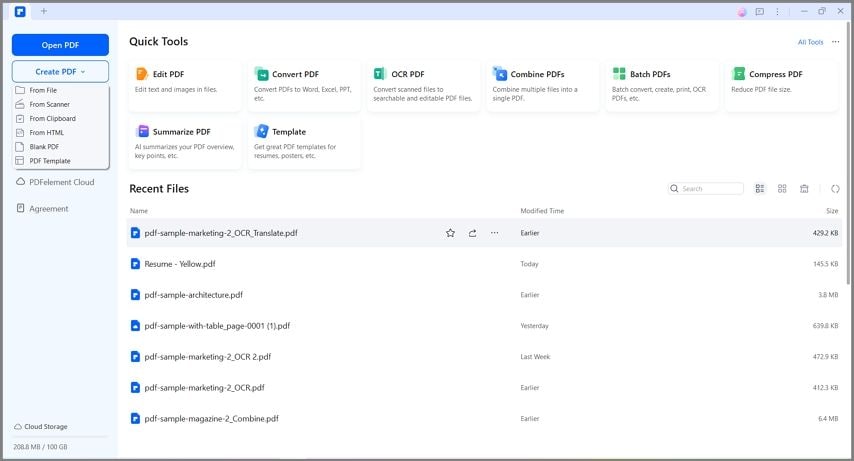
Step 1Import Document
Launch PDFelement on your computer. Click the "+" icon or "Open PDF" to import your scanned document or image.
Step 2Perform OCR
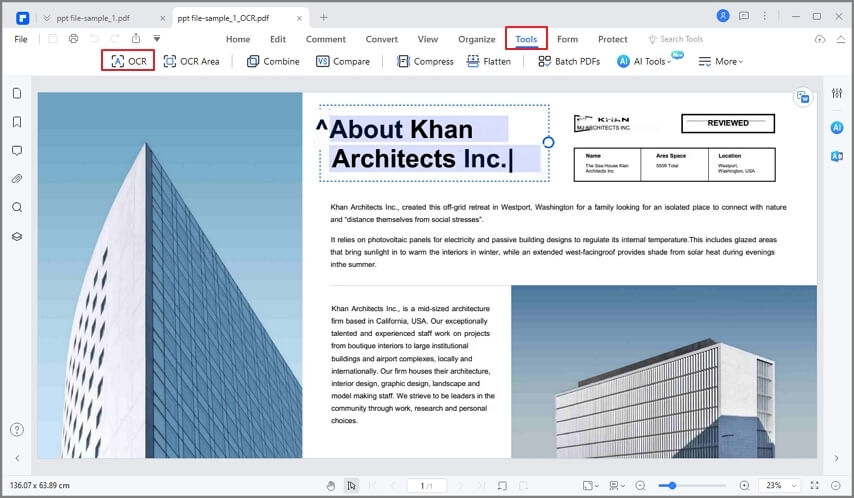
Once the file is uploaded, the software will automatically detect that it is a scanned document and display a blue notification bar at the top. You can simply click "Perform OCR" on the blue bar, or navigate to "Tool" from the menu bar and click "OCR".
Step 3OCR Settings
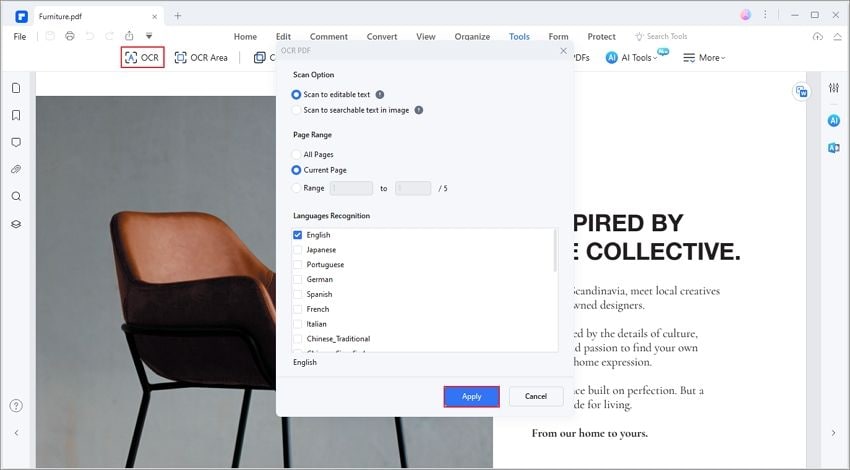
A settings window will appear. Choose "Scan to editable text" to ensure you can modify the document later. Click on "Change Languages" to provide the appropriate language for the extracted text, ensuring maximum accuracy. Optionally, you can select specific pages to process. Click "Apply" to perform OCR.
Step 4Edit the Document
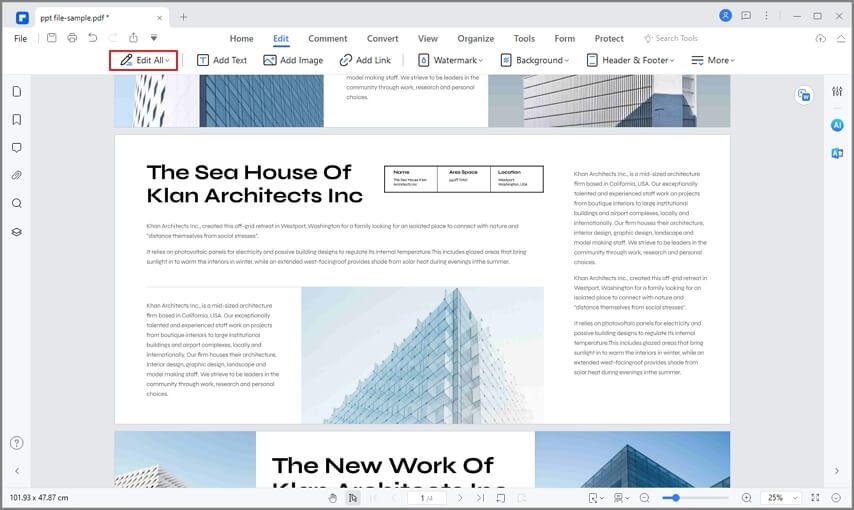
Once the process is completed, the newly created editable PDF file will open. Click on the "Edit" tab at the top. You can now click on any text in the document to modify, delete, or add to it, with the software seamlessly matching the original font.
Comprehensive Comparison Chart
To help you decide which tool fits your workflow, here is a detailed comparison of OneDrive OCR, PDFelement, and OneNote (Microsoft's companion note-taking app that also features OCR).
| Feature | OneDrive OCR | PDFelement | OneNote OCR |
|---|---|---|---|
| Primary Use Case | Cloud storage & image search indexing | Professional PDF editing & creation | Taking and organizing digital notes |
| OCR Accuracy | Good (Approx. 80%) | Excellent (95%+) | Good (70%-90%) |
| Direct Text Editing | No (Search & Extract only) | Yes (Edit directly on the page) | No (Extract to plain text only) |
| Batch OCR Processing | No | Yes | No |
| Layout Retention | None | High (Retains fonts, tables, images) | Low |
| Output Formats | Plain Text (via clipboard) | PDF, Word, Excel, PPT, HTML, Text | Plain Text |
| Running Speed | Fast (Background Cloud) | Super-Fast (Local Processing) | Fast |
| Offline Capability | No (Requires internet) | Yes (Fully functional offline) | Yes (If notebook is synced locally) |
G2 Rating: 4.5/5 |100% Secure
While OneDrive's built-in features are a great free service for making your uploaded photos searchable, professional environments demand more. When you need to actively edit, convert, or batch-process scanned files, relying on a robust alternative like PDFelement provides unmatched convenience and accuracy.
Frequently Asked Questions (FAQs)
-
Can I search for text inside an image on OneDrive?
Yes. If you upload a supported image format (like JPEG or PNG) containing text to OneDrive, Microsoft's backend OCR will automatically index it. You can then use the search bar in the OneDrive web portal or mobile app to search for specific words contained within that image. -
Why is OneDrive OCR not working for my PDF?
OneDrive's OCR primarily focuses on image files (JPEG, PNG). While OneDrive for Business/SharePoint indexes unsearchable PDFs for search purposes, standard personal OneDrive accounts may struggle to extract text from complex, multi-page scanned PDFs. Additionally, if the file hasn't finished syncing to the cloud, the OCR engine cannot process it. -
How long does it take for OneDrive to OCR an image?
Typically, the indexing process is quite fast. However, depending on server load, network connection, and file size, it can take anywhere from a few minutes to a couple of hours for a newly uploaded image to become searchable in OneDrive. -
Can I edit text directly in a scanned document using OneDrive?
No. OneDrive's native OCR is designed for text extraction (via the mobile app) and search indexing (via the web). It does not rebuild the document to allow direct editing of the text in its original layout. To edit a scanned document as if it were a Word file, you need dedicated OCR software like PDFelement.