
A lengthy interview or lecture often stays bookmarked because judging its value takes time. Watching 2 hours just to discover a few worthwhile minutes rarely fits a busy schedule. Instead, a YouTube video summarizer quickly turns spoken content into a concise written overview.
Moreover, reading quality is easy to judge after one video. Free limits, supported languages, and export options usually take longer to notice. The comparison below brings those practical differences together in one place.


 G2 Rating: 4.5/5 |
 100% Secure
In this article
Part 1. What a YouTube Video Summarizer Does
Summarizer, note taker, and transcription tool get used as though they mean the same thing, and vendors rarely clarify. That vagueness matters when choosing between products that price and behave quite differently. The following 2 questions clear most of it up, and the sections below answer each in turn.
How an AI YouTube Video Summarizer Works
Many AI summarizers primarily process the video’s transcript. Instead, a YouTube video summary generator analyzes the spoken transcript, identifies the sections carrying the main ideas, removes repetition, and rewrites the remaining information into a shorter, readable summary.

That process has one important limitation. Anything communicated only through visuals can be missed if nobody explains it aloud. As a result, interviews, podcasts, lectures, and conference talks usually summarize well, while software demonstrations, design walkthroughs, and visual tutorials often lose important context.
Summary Versus Transcript
Both outputs arrive as text, which is why the terms get used interchangeably, though they serve opposite purposes. A transcript is a record: complete, unedited, and inclusive of every false start. Fidelity is the point, which makes transcripts right for quoting, searching, or producing captions.
Summaries work the other way round, discarding most of the words to preserve a judgment about which ones mattered. That judgment is where tools diverge, and also where they can be confidently wrong. Reading one means accepting someone else's editorial decisions about a video you have not seen.
Part 2. Why a Summarizer Is Worth Using
Understanding how an AI YouTube video summarizer works is only part of the decision. These tools cannot replace watching valuable content but they can help you decide whether a video deserves your time. Research on cognitive load in video learning also suggests that reducing unnecessary information can make lengthy content easier to process. The following situations show where a summarizer provides the most value:

- Saving Time on Long Videos: A 90-minute podcast becomes readable in roughly 2 minutes and that gap often decides whether the material gets read at all.
- Getting Key Takeaways Immediately: Introductions, sponsor reads, and closing recaps consume a surprising share of most videos, and stripping them away leaves only the points that matter.
- Staying Current Without Watching Everything: News segments, product reviews, and tech announcements repeat heavily across channels, so summarizing several at once identifies which covers the angle others missed.
Part 3. 6 YouTube Video Summarizers Worth Trying
No single summarizer performs best in every situation. Some focus on quick summaries, others generate detailed notes, while a few organize information in entirely different ways. The 6 tools below represent the most practical options across those different approaches:
Quick Comparison
Before exploring each tool in detail, it helps to compare their core capabilities at a glance. The table below summarizes the most important differences:
| Tool | Output | Languages | Free Access |
| PDFelement | Summaries, notes, mind maps | Broad | Paid for Full AI |
| Krisp | Timestamped text summary | Multiple | Free |
| NoteGPT | Summary plus study material | Multiple | Tight Daily Cap |
| Monica | Adjustable text summary | 100+ | Limited Free Tier |
| Mapify | Interactive mind map | 100+ | Free Basic Tier |
| Eightify | Key points with timestamps | Wide | Limited Free |
1. PDFelement
Best For: Summarizing YouTube videos alongside PDFs and research documents.
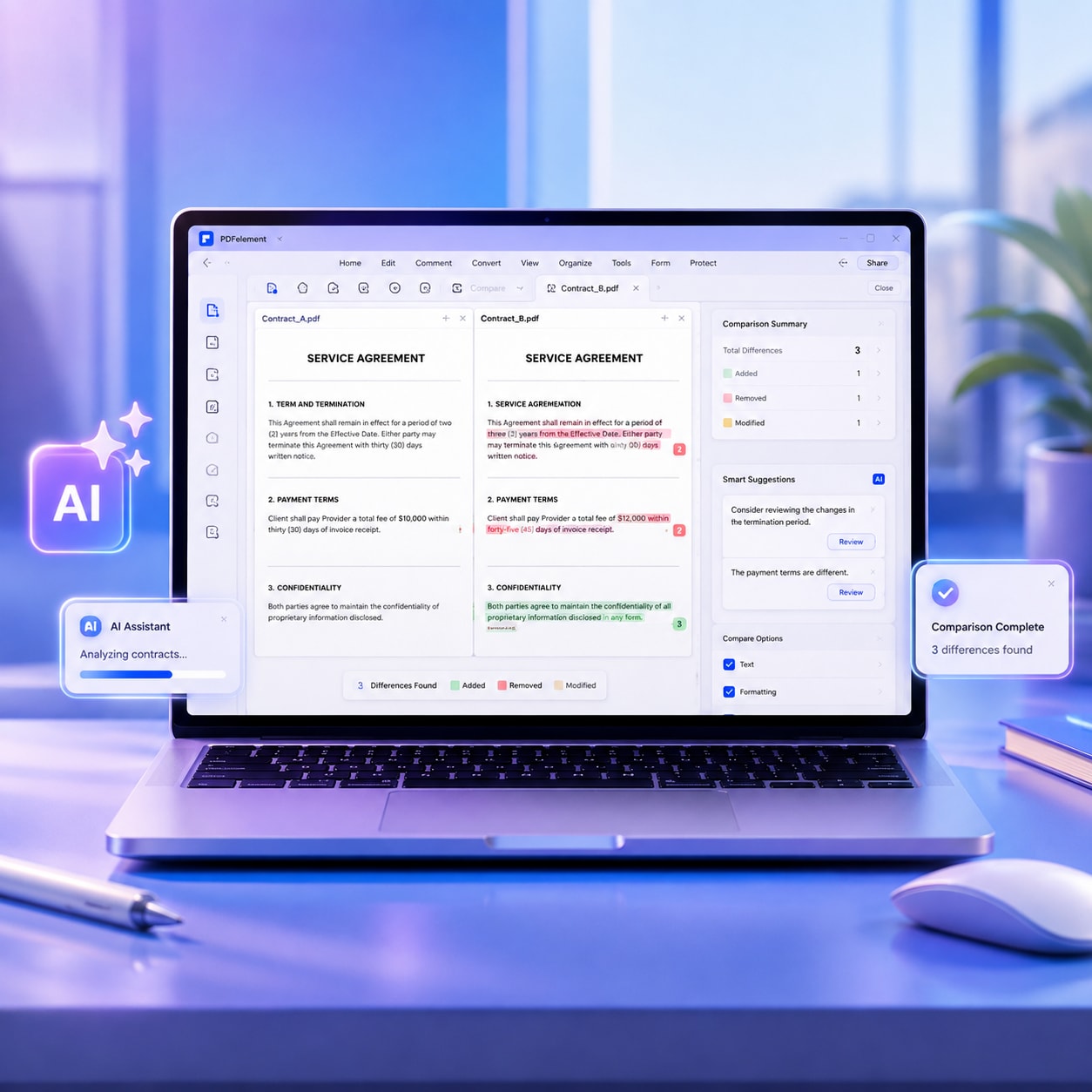
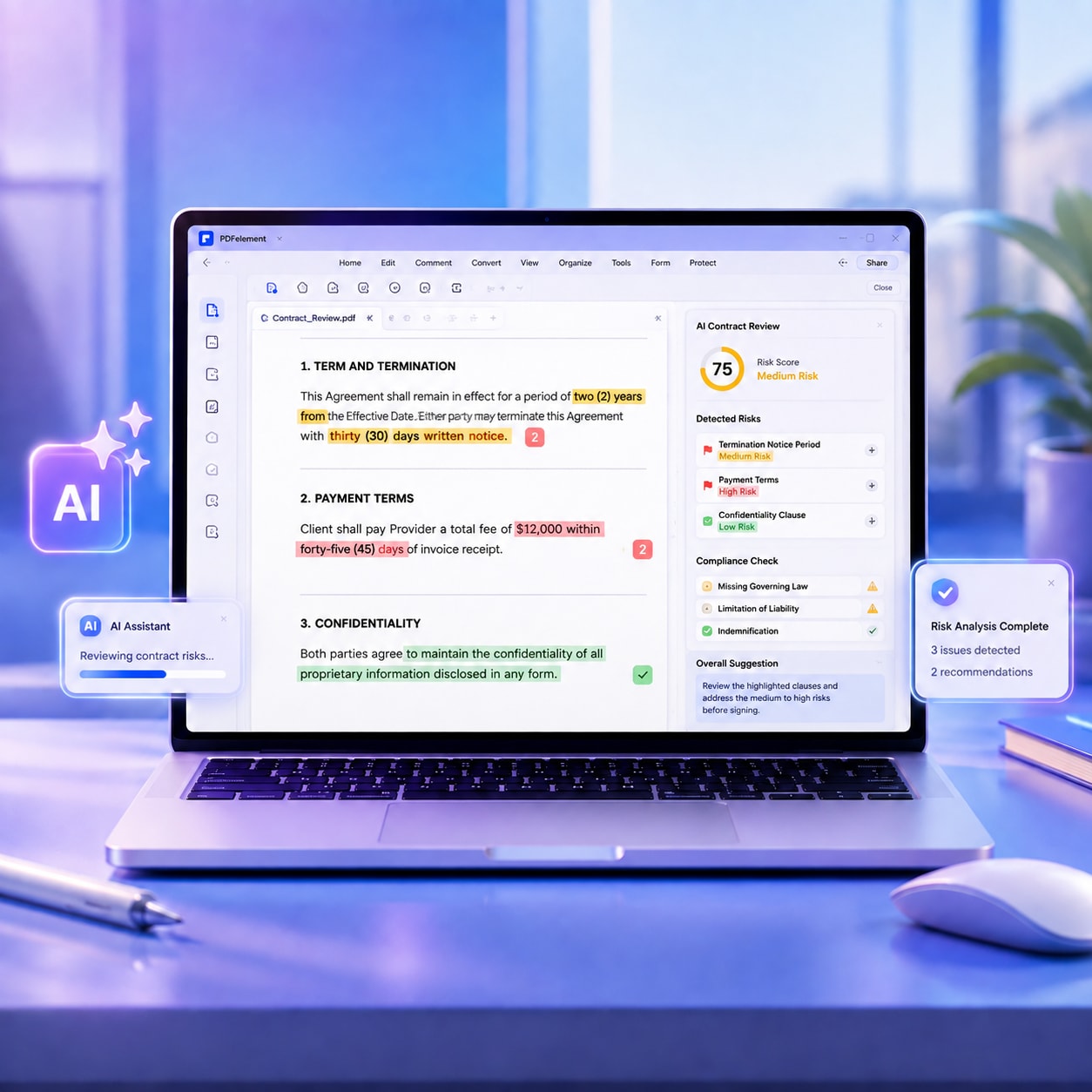
Most YouTube video summarizers focus only on the video. PDFelement takes a different route by treating a YouTube link as one source alongside PDFs, Word files, PowerPoint presentations, and other documents. That broader approach suits users who collect research materials from multiple places instead of relying on videos alone.
The platform originally earned recognition as a PDF editor before expanding into AI-assisted document and video analysis. As a result, summarizing a conference presentation or webinar alongside its supporting paper happens within the same workspace, removing the need to switch between separate applications.

2. Krisp
Best For: Quick one-off checks where installing anything feels excessive.
Krisp built its reputation on AI noise cancellation before adding the Krisp YouTube summarizer to its toolkit. The process stays simple: paste a video link, wait briefly, and read a timestamped summary. For occasional viewing, the quick setup is often more valuable than advanced customization.

3. NoteGPT
Best For: Videos you intend to learn from, not just screen.
Where most tools stop once the summary appears, NoteGPT treats it as a starting point. The NoteGPT YouTube summarizer returns an overview first, then offers mind maps, flashcards, and quiz questions from the same video. That extra layer is unnecessary for triage but changes the calculation for course material.

4. Monica
Best For: People who already want a general browser assistant.
Monica is best known for its browser extension, although it also runs as a web, desktop, and mobile application. YouTube summarization is one feature among many, with multiple AI models and adjustable summary lengths available for different types of videos.

5. Mapify
Best For: Dense explanatory videos where relationships matter most.
The Mapify YouTube video summarizer takes a different approach from most tools in this comparison. Instead of returning a block of text, it turns a video into an interactive mind map with timestamped branches. You can explore connected ideas, ask follow-up questions, or export the map, preserving relationships that are often lost in traditional summaries.

6. Eightify
Best For: High-volume viewers triaging a long watchlist.
Unlike broader AI assistants, the Eightify YouTube summarizer focuses on a single task: condensing YouTube videos into key takeaways. Across Chrome, Safari, iOS, and Android, it displays timestamped highlights within seconds while you watch. The feature set stays intentionally simple, making it a practical choice when speed matters more than notetaking or study tools.

G2 Rating: 4.5/5 |100% Secure
Part 4. What Separates a Good AI Video Summary
Choosing a good AI YouTube video summarizer involves more than comparing feature lists. The quality of the output matters far more than the number of options a tool advertises. Moreover, ACL 2026 research on factual consistency in AI summarization reinforces the importance of summaries remaining faithful to the original source. The following qualities help evaluate whether an AI video summary is genuinely useful:

- Concise but Complete: Cutting length is trivial, whereas cutting it without losing the argument is where most tools struggle.
- Accurate Key Ideas: A summary promoting a passing remark into a headline claim is worse than none at all.
- Logical Structure: Points should arrive in an order that makes sense to a reader, not the order the speaker reached them.
- Multiple Output Formats: Bullets suit scanning, prose suits reading, and a map handles many connected parts better than either.
- Export and Sharing: A summary locked inside an extension is harder to reuse than one you can move into your notes.
Frequently Asked Questions
What is the best YouTube video summarizer?
No single tool wins outright, since the right answer depends on what happens next. Krisp suits free one-off checks, Mapify suits visual learners, and PDFelement suits video summarized alongside documents.
Which AI YouTube video summarizer is the most accurate?
Accuracy depends on transcript quality and each tool’s model. Clear audio and a structured talk produce good summaries almost anywhere, while heavy accents and jargon cause trouble across the category.
Can I summarize YouTube videos in different languages?
Most tools handle multiple languages, though coverage varies widely. Mapify advertises over a hundred and Monica more than twenty, so checking before you commit is worthwhile.
Are YouTube video summarizers free?
Some are genuinely free, and Krisp offers summaries without a paywall. Most others run freemium plans capping daily usage or video length, and those limits surface within the first few sessions.
Can I export YouTube summaries to notes or mind maps?
Export options depend on the tool, and they vary more than the summaries themselves. Mapify exports maps as PDF, PNG, or SVG, while NoteGPT and PDFelement convert summaries into notes and other study formats.
Final Takeaway
AI summaries help users quickly identify valuable information without spending time on every video. Krisp is suitable for fast overviews, while Mapify adds structure to complex topics. A YouTube video summary generator works best when combined with document workflows. PDFelement supports this approach by uniting AI summaries, PDF tools, and content management features.
G2 Rating: 4.5/5 |100% Secure