
Keeping track of receipts is key when it comes to taxes, especially if you work for yourself or have money coming in from different places. For many, the question is: what kinds of receipts should I keep for taxes? The answer is simple: You should keep receipts only for expenses that affect your taxes, that is, deductions, credits, or business expenses. For personal tax deductions or credits, keep receipts for expenses such as medical and dental expenses, charitable donations, and childcare; for business or self-employment expenses, keep receipts for purchases such as office supplies and equipment, flights, or hotels for business travel.
This post will cover all you need to know for keeping receipts for taxes and show how to organize your tax documents using PDFelement, with which you can scan, store, and manage all your tax-related documents in one place.


 G2 Rating: 4.5/5 |
 100% Secure
In this article
Part 1. Which Receipts to Keep for Taxes?
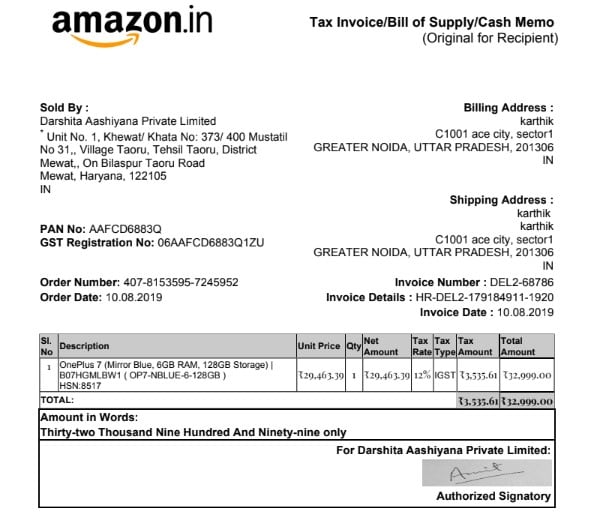
When it comes to taxes, knowing which receipts to keep is important. Not all receipts are equal, but many can help you come tax time.
Keeping receipts can help you prove your expenses if the IRS asks for documentation. A good rule to follow is simple:
- Keep receipts for anything you claim as a tax deduction, tax credit, or business expense.
Below are the most common types of receipts you may need to keep.
Receipts for Personal Tax Deductions or Credits
If you itemize deductions or claim certain tax credits, you should keep receipts for the related expenses.
- Medical and Dental Expenses: Keep receipts for medical costs that you paid out of pocket and were not reimbursed by insurance. Examples include: doctor or specialist visits, dental treatments such as fillings, braces, or cleanings, hospital bills or lab tests.
- Charitable Donations: If you donate money or items to a qualified charity, keep proof of the donation, such as donation receipts from nonprofit organizations, email confirmations for online donations, and receipts for donated goods.
- Childcare Expenses: If you claim the Child and Dependent Care Credit, keep receipts for childcare services, including daycare or preschool payments, after-school care programs, and babysitting services. The receipts should show the provider's name, service dates, and payment amount.
- Education Expenses: Some education costs may qualify for tax credits such as the American Opportunity Credit or Lifetime Learning Credit. Schools often provide official statements (like Form 1098-T), but receipts help support additional qualified expenses
- Mortgage Interest and Property Taxes: Homeowners may deduct certain housing costs if they itemize deductions. Keep receipts for mortgage interest payments or property tax bills paid to local governments.
- Large Purchases: When deducting state and local sales taxes, keep receipts for major purchases such as cars, boats, home appliances, furniture or electronics.
Tip: If you take the standard deduction instead of itemizing deductions, many personal receipts are not needed because those expenses are not being claimed on your tax return.
Receipts for Business or Self-Employment Expenses
If you run a business, freelance, or have a side gig, receipts are very important. They prove that your expenses were legitimate business costs. The key is whether the expense is for your business. Personal groceries or a coffee maker for your home don't count. But it's a valid expense if it's for the business, like coffee for a client meeting. Here's a simple guide on what to hold onto:
- Office supplies and equipment: Keep receipts for items used to run your business. Examples include paper, pens, computers, monitors, printers, scanners, and other office equipment.
- Business Travel: If you travel for work, keep receipts for travel expenses, such as airfare or train tickets, taxi, rideshare, or public transportation fares, parking fees, and tolls.
- Meals with clients: Business meals may sometimes be deductible if they are directly related to work. It is helpful to note who attended the meeting and the business purpose on the receipt.
- Software or subscriptions used for work: Many businesses rely on digital tools. Keep invoices or payment confirmations for services such as accounting software, design or editing software, and cloud storage services.
- Marketing or advertising costs: Receipts help show the amount spent on marketing, such as costs for online advertisements, website hosting or domain fees, and printed marketing materials such as flyers or business cards.
- Business-related utilities or rent: If you rent an office or workspace, keep records for those costs.
Tip: The "$75 Rule" for Tax Receipts
The IRS has a special rule that may allow you to deduct certain business expenses without keeping a receipt if the expense is under $75. This rule mainly applies to travel-related expenses.
If an eligible expense is less than $75, you may be able to use other records—such as credit card statements, bank statements, or written expense logs—instead of a detailed receipt.
For example, if you spend $25 on a taxi during a business trip, a credit card statement showing the charge may be acceptable if you also note that it was transportation to a client meeting.
However, lodging expenses are an exception to this rule. You must keep hotel or accommodation receipts regardless of the amount, even if the cost is less than $75.
Part 2. Keep Receipts in Tax Preparation and Deductions
Receipts play a big part in preparing your taxes and figuring out deductions. They are like little proofs of your spending, especially on things that can lower your tax bill.
Keeping your receipts organized helps you see what deductions you can claim. It makes tax time less stressful and can save you money. By knowing what receipts to keep, you make sure you're only claiming what's allowed. This keeps you in good standing with tax laws and maximizes your potential deductions.
Keeping receipts for taxes doesn't have to be hard. Here are some easy tips to help you stay organized all year:
- Don't wait until tax time to organize your receipts. Keep track of them as you get them.
- Sort your receipts into categories like office supplies, travel, and meals. This makes it easier to find what you need later.
- Paper receipts can fade or get lost. Scanning them or taking photos means you have a digital copy that's easy to keep safe.
- Make sure your digital receipts are saved in multiple places, like your computer and a cloud service. This way, you won't lose them if something goes wrong.
- Every month, take a little time to make sure all your receipts are collected and organized. This keeps the job small and manageable.
PDFelement is a great tool for managing your receipts. With it, you can easily scan and store your paper receipts as digital files. You can also organize them into folders in the app, making it simple to keep track of different types of expenses. Plus, PDFelement lets you quickly search your receipts to find what you need without digging through piles of paper.
By using these tips and tools like PDFelement, you'll make tax time a lot less stressful. Keeping your receipts organized means you're ready to handle your taxes efficiently, and you might even save some money by not missing out on deductions. Start organizing your receipts now, and you'll thank yourself later.
Part 3. Using PDFelement for Tax Receipts
G2 Rating: 4.5/5 |100% Secure
PDFelement is a handy tool that makes dealing with tax receipts much easier. It lets you turn all your paper receipts into digital files. This means you can say goodbye to keeping boxes of paper and hello to a neat digital archive. Here's why PDFelement is great for tax preparation:
- Easy to Use: You don't need to be a tech whiz. PDFelement is simple, making it easy to scan and save your receipts.
- Organize Your Receipts: With PDFelement, you can create folders for different expenses. This helps you stay organized and find receipts quickly when you need them.
- Extract Data from Receipts: PDFelement can help you extract key information from receipts and save the details in Excel files to keep track of your expenses.
- Safe and Secure: Keeping your receipts digital means they're safe from getting lost or damaged. PDFelement stores them securely, so you don't have to worry about losing important info.
- Access Anywhere: Once your receipts are in PDFelement, you can access them anywhere. Need to check a receipt while you're out? No problem.
- Make Tax Time Easier: When it's time to do your taxes, having all your receipts sorted and easy to find makes everything smoother. You can easily pull up what you need for deductions without digging through piles of paper.
Using PDFelement for your tax receipts saves time and stress. It helps you keep everything in order so you're ready for tax season without the hassle.
Utilize PDFelement's PDFelement Cloud for Receipt Storage
PDFelement's PDFelement Cloud is a smart choice for keeping your receipts safe online. You can reach your receipts anytime, from any gadget. This is super useful for sorting your business receipts and finding them fast. Here's a simple guide on how to upload your receipts to the cloud:
Step 1
Open the app on any device you use, like your computer, tablet, or phone.
Step 2
You need to sign into your account. If you don't have one yet, setting one up is easy.
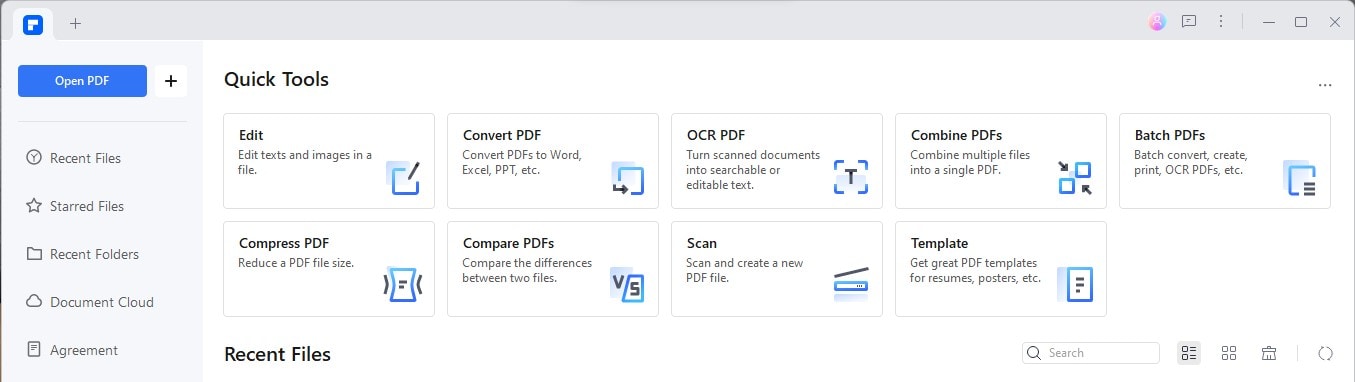
Step 3
Look for a "PDFelement Cloud" choice and click on it.
G2 Rating: 4.5/5 |100% Secure
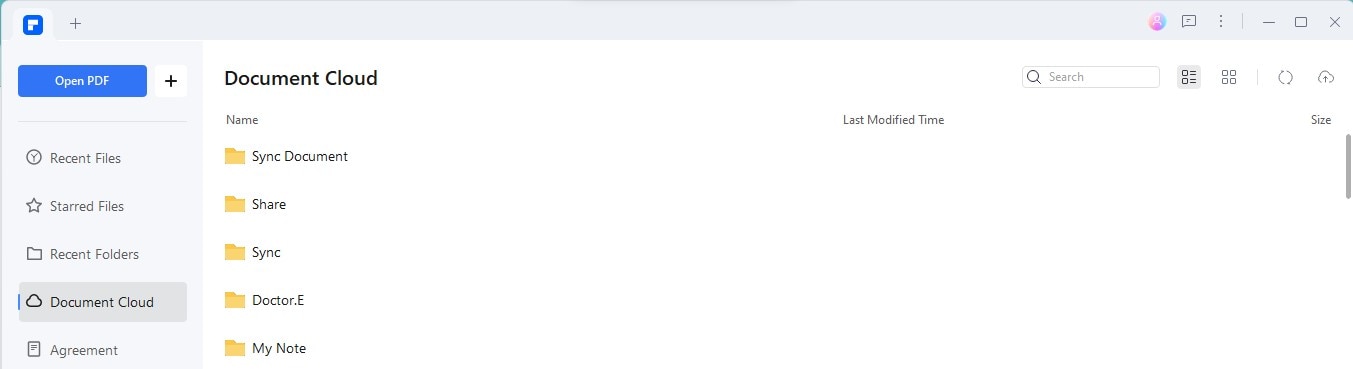
Step 4
There's a button that says "Upload Files." Hit that button to pick the receipts you want to save.
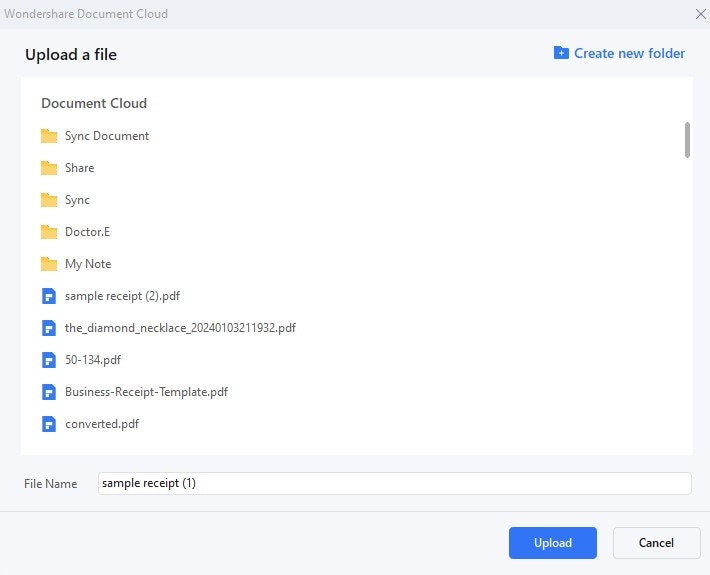
Step 5
Go through your device, pick the receipts you wish to upload and click "Open" to upload them.
Step 6
Now, your receipts are in the PDFelement Cloud. You can look at them, download them, or share them whenever you want.
Why put your receipts in PDFelement Cloud? It's handy because you get lots of room to store your receipts without filling up your device. It's also secure, keeping your private stuff private. Plus, you can access your receipts from anywhere, whether at home or on the go. This makes managing your money and getting ready for tax time a breeze.
Digitize Receipts with PDFelement for Mobile
PDFelement can be used to scan documents and turn paper receipts into digital ones easily. Here's how you can use it:



Step 1
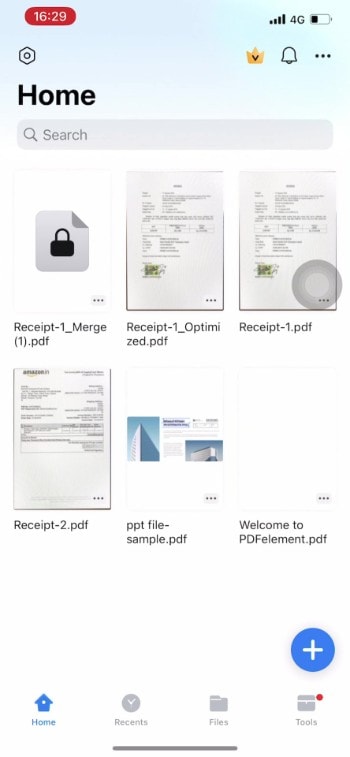
First, start PDFelement on your phone.
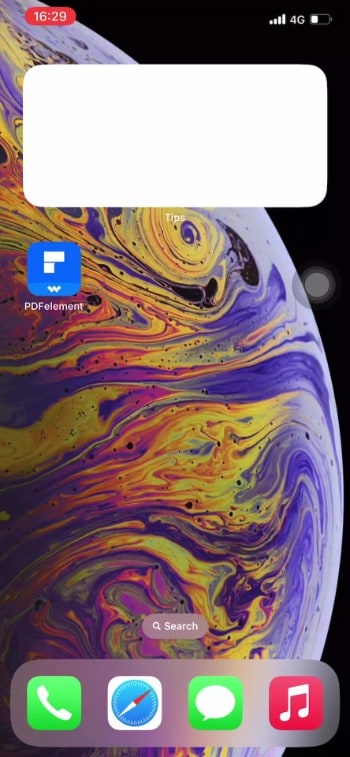
Step 2
There's an option to scan a new document. Tap on that.
Step 3
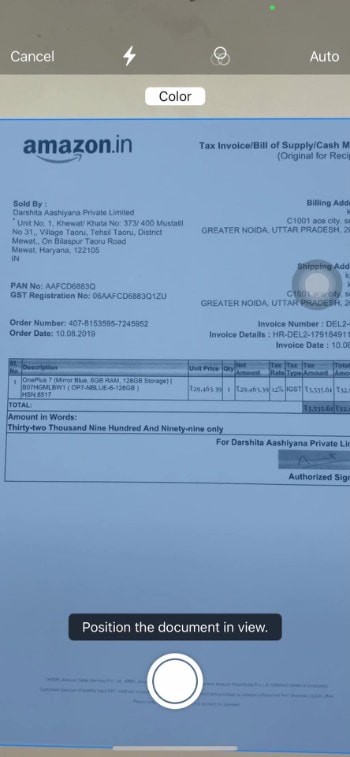
Now, snap a photo of your receipt. Make sure it's clear, and everything on the receipt is visible.
Step 4
If necessary, crop the photo or adjust it so everything looks right.
Step 5
The app then changes your photo into a PDF file. You can save it wherever you want, like in a specific folder for tax receipts.
Extract Data from Receipts
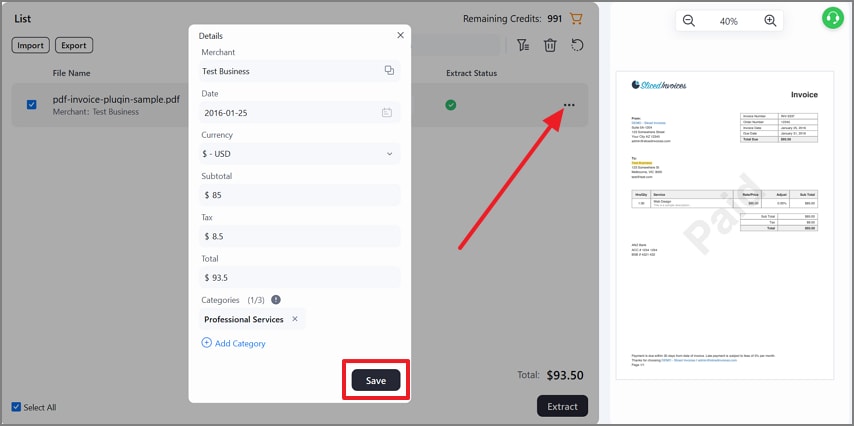
PDFelement includes Receipts Assistant, a feature to extract key information, such as merchant name, tax, total amount from a receipt and save the information as an Excel file. This is useful for organizing expenses for tax purposes and providing real-time visibility into spending.
Step 1
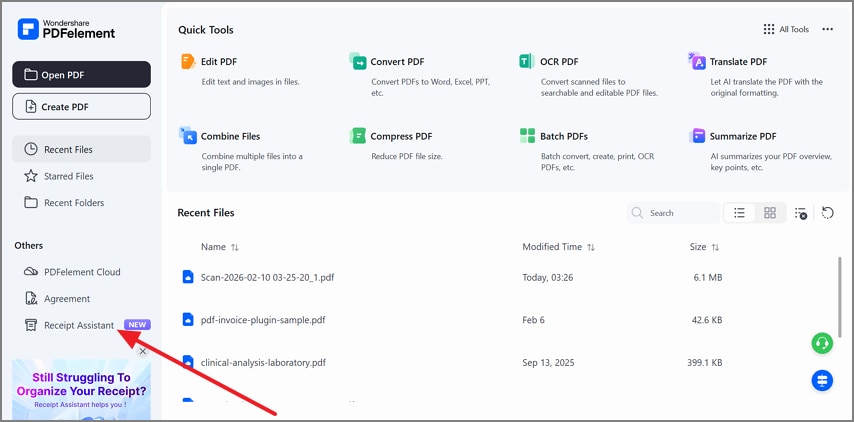
Launch PDFelement and click Receipt Assistant.
Step 2
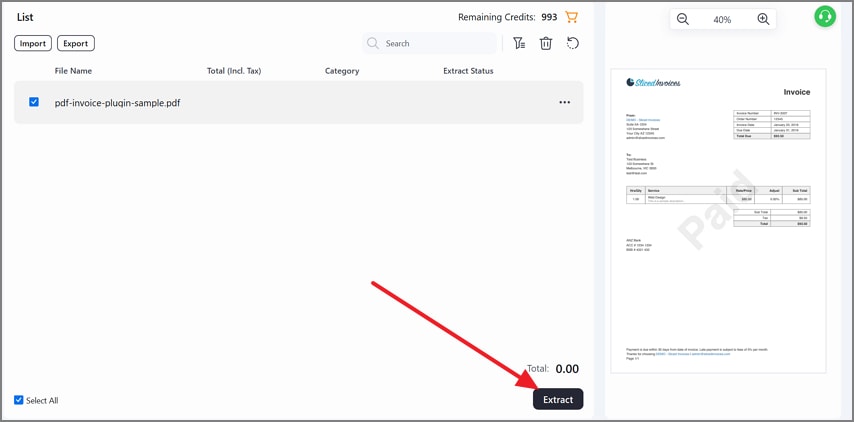
Import receipts into PDFelement and click the Extract button. The PDFelement will start OCR and extract key information from the receipts.
Step 3
You can click the three-dot icon of a record and review the extracted information or save the receipt information to an Excel file.
Combine Multiple Receipts with PDFelement
PDFelement's combined feature is great for putting all your receipts into one file. This makes keeping track of your spending much easier. Here's how you can do it:
Step 1
Start the app on any device you have, like your computer, tablet, or phone.
Step 2
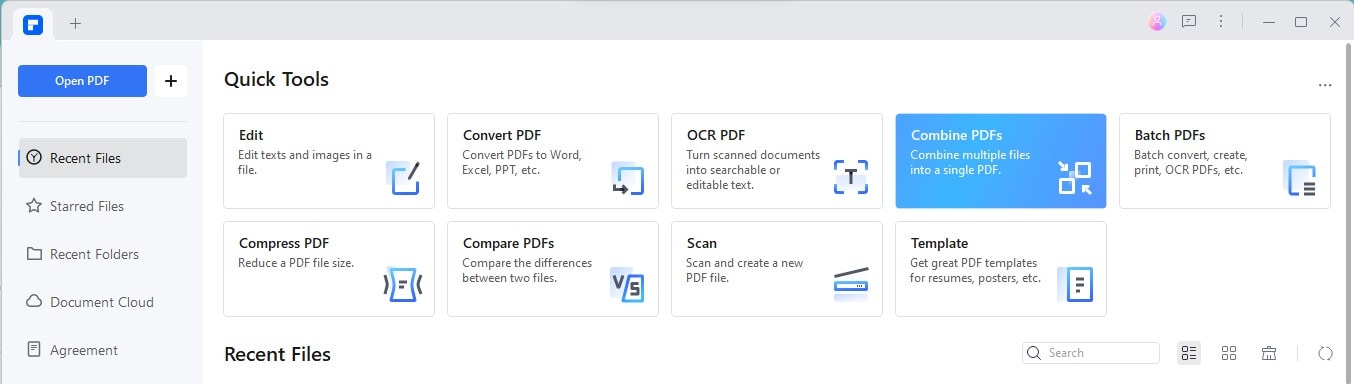
On the main screen, look for a button that says "Combine PDFs." You can also find this option under "Tools."
G2 Rating: 4.5/5 |100% Secure
Step 3
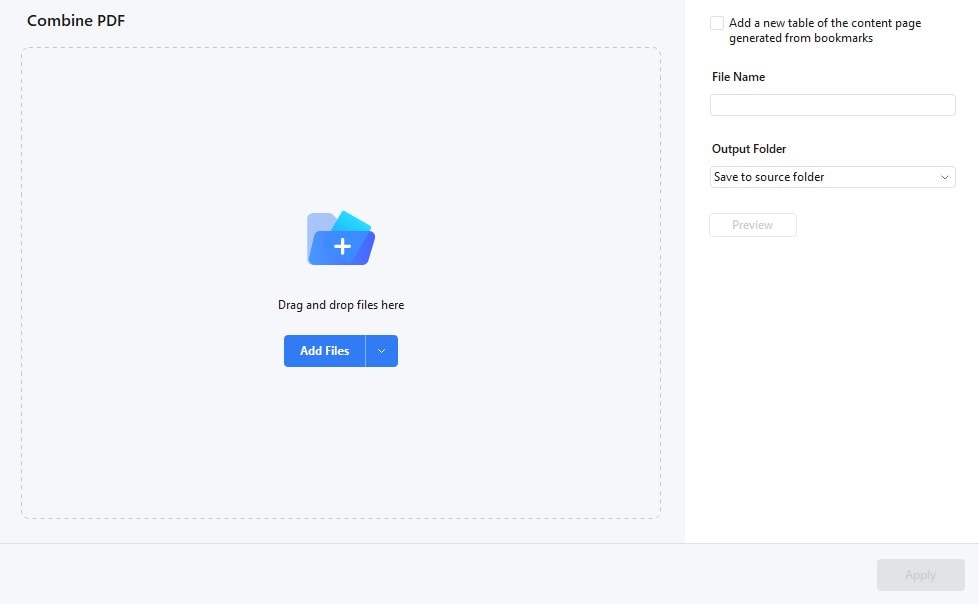
Now, drag the receipts you want to merge into the open window. You can add different types of files, not just PDFs.
Step 4
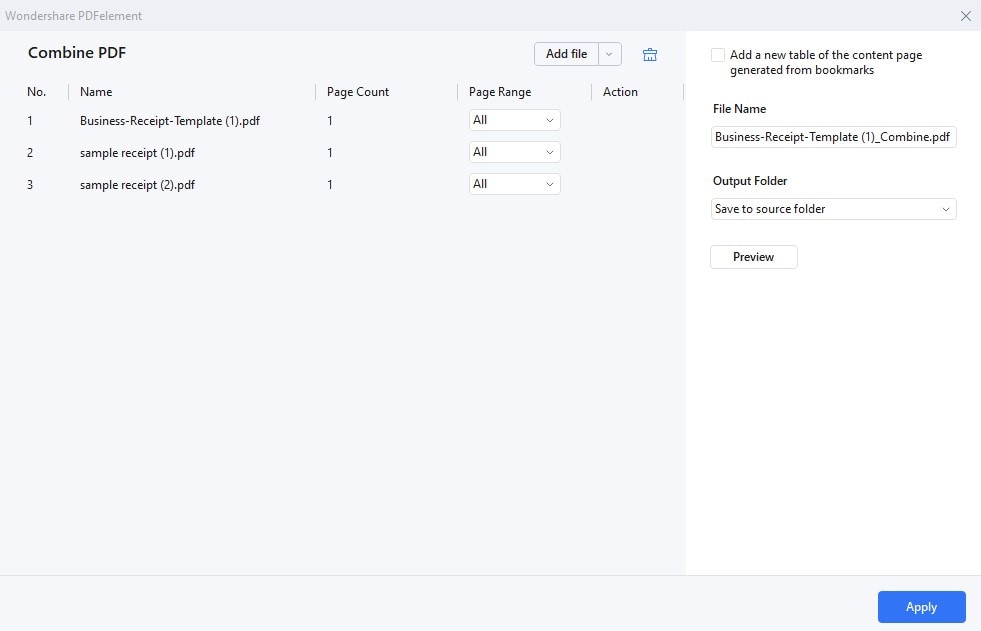
Click "Apply" to start combining your files into one PDF. Wait a bit while it processes.
Step 5
Once combined, the new PDF will open. You can use the "Organize" feature to move pages around, delete them, or rotate them as needed.
G2 Rating: 4.5/5 |100% Secure
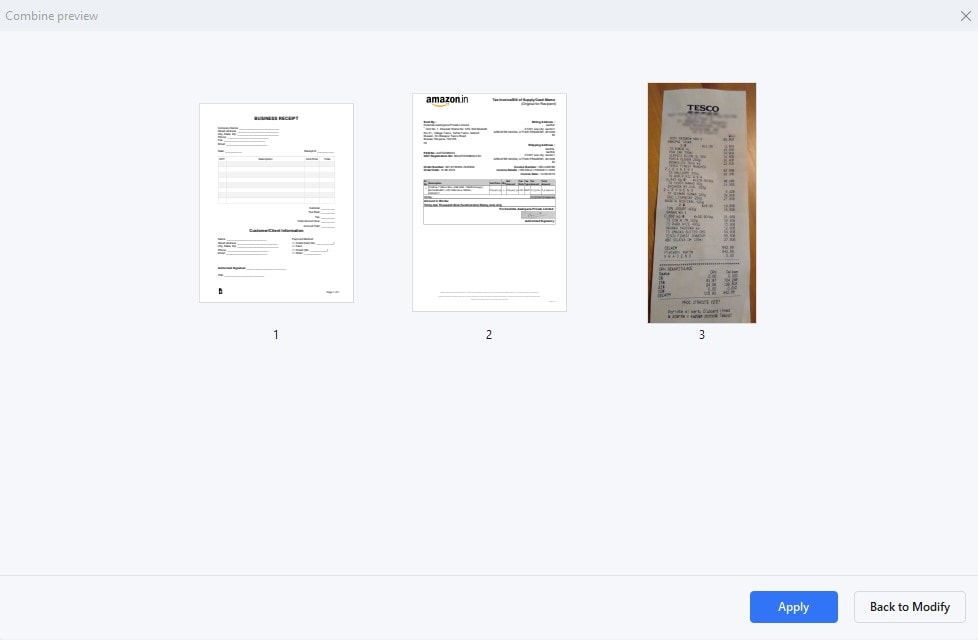
Why is this useful? Combining receipts into one document helps keep your financial records tidy. It's easier than handling lots of individual files. You save time because you're not searching through tons of documents. If you need to share your spending records, sending one file is simpler than many. Using PDFelement to combine your receipts into a single PDF helps you stay organized and makes managing your finances easier.
Conclusion
Keeping receipts organized is important for managing your taxes. Tools like PDFelement make this easier by letting you scan, save, and combine receipts in one place. This helps you stay ready for tax time, find deductions, and keep your finances in order. Use these tips and tools today to make tax season less stressful and keep your financial records neat.