
In this article
- Introduction: The Modular AI Agent Revolution
- What Are OpenClaw Skills?
- The Best OpenClaw Skills by Category
- Real-World OpenClaw Agent Examples
- Installing and Managing OpenClaw Skills
- Building OpenClaw Custom Skills
- The PDFelement Skill: Document Processing Integration
- Security Considerations for OpenClaw Skills
- FAQs: Common Questions About OpenClaw Skills
- Conclusion: Is OpenClaw Skills Right for You?
Introduction: The Modular AI Agent Revolution
When Sarah first installed OpenClaw on her MacBook, she expected another chatbot. What she discovered was something far more powerful: a modular AI agent that could be extended with specialized capabilities through a system called "skills." Within a week, her OpenClaw agent was managing her Notion workspace, automating her email responses, and even processing PDF documents for her consulting business—all through natural language commands.
This transformation wasn't magic. It was the result of OpenClaw's skill architecture, a plugin system that allows the AI agent to interface with external tools, APIs, and services. With over 10,000 skills available in the ClawHub marketplace and the ability to create custom solutions, OpenClaw has evolved from a simple AI assistant into a programmable automation platform.
But this power comes with complexity. The ClawHub marketplace, while expansive, has been described as a "security nightmare" by researchers who found that approximately 80% of available skills are either low-quality or outright malicious. Navigating this landscape requires knowledge, discernment, and a clear understanding of what skills can realistically achieve.
This guide covers everything you need to know about OpenClaw skills: what they are, how to find the best ones, how to build your own, and how to integrate them safely into your workflows—including document processing with the PDFelement skill.

What Are OpenClaw Skills?
At their core, OpenClaw skills are modular extensions that teach the AI agent how to interact with external tools and services. Think of them as specialized training modules that give your agent new capabilities. Each skill is essentially a directory containing a SKILL.md file with YAML frontmatter and markdown documentation that instructs the agent on how to use specific tools.
How Skills Transform Your OpenClaw Agent
Without skills, OpenClaw is a capable conversational AI. With skills, it becomes an automation engine. The transformation works through three key mechanisms:
Tool Integration: Skills provide the agent with the ability to call external APIs, control applications, and manipulate data. The Notion skill, for example, gives your agent full read/write access to your Notion workspace, allowing it to create pages, update databases, and log notes automatically.
Workflow Automation: Skills enable multi-step processes. A single command like "Prepare my weekly report" can trigger a chain of actions: pulling data from Google Analytics via the GA4 skill, generating charts, creating a summary in Notion, and emailing the final document through the AgentMail skill.
Contextual Intelligence: Advanced skills like the Self-Improving Agent skill allow the system to learn from interactions, building personalized memory and refining its approach based on your specific workflows and preferences.
The ClawHub Ecosystem: Promise and Peril
ClawHub is the official registry for OpenClaw skills, hosting over 10,000 community-created extensions. The promise is vast: skills for virtually every popular tool, from productivity platforms like Linear and Monday to smart home systems like Home Assistant and communication tools like Telegram and WhatsApp.
However, the peril is equally significant. Security researchers have identified hundreds of malicious skills in ClawHub, including 341 instances specifically designed to steal credentials and spread malware like Atomic Stealer on both macOS and Windows systems. This has led to OpenClaw being called a "security nightmare" by cybersecurity analysts.
The reality is that while ClawHub offers incredible extensibility, users must exercise extreme caution. The safest approach is to use curated lists like the Awesome OpenClaw Skills repository, which filters and categorizes skills from the official registry, or to build custom skills for specific needs.
The Best OpenClaw Skills by Category
Navigating the thousands of available skills requires focusing on your specific use case. Here are the most valuable and well-vetted skills organized by category, based on community feedback and download statistics.
Productivity & Project Management Skills
Notion Skill: One of the most downloaded skills in the entire ClawHub registry, this extension provides full read/write access to your Notion workspace. It can create pages, update databases, query information, and log notes automatically. For knowledge workers who live in Notion, this skill transforms OpenClaw from a chatbot into a workspace assistant.
Linear Skill: For software development teams, the Linear skill provides GraphQL-based read and write access to manage project issues, track statuses, and generate summaries. It integrates seamlessly with development workflows, allowing your agent to create tickets, update progress, and notify team members.
Monday.com Skill: With over 2,500 downloads on ClawHub, this skill offers equivalent functionality to Linear but for Monday.com users: creating items, updating boards, managing task statuses, and generating project reports.
Obsidian Direct: For researchers and writers who use Obsidian for knowledge management, this skill enables fuzzy search, automatic folder detection, and tag management within your vault. It's transformative for anyone building a personal knowledge base.
Document Processing & PDF Workflows
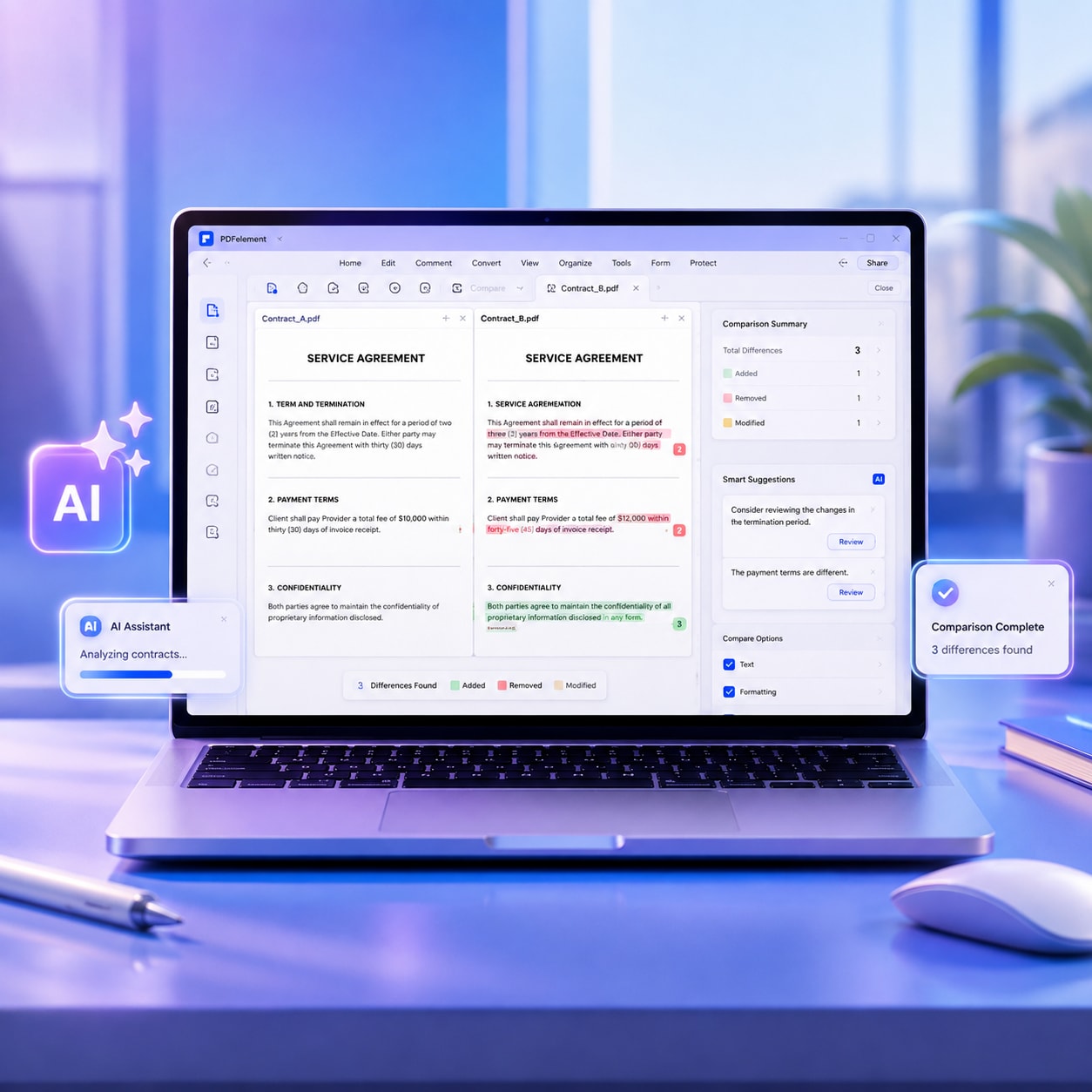
PDFelement Skill: For document-heavy workflows, the PDFelement skill stands out as a specialized solution. This open-source skill enables OpenClaw agents to perform batch PDF processing using the locally installed PDFelement application through natural language commands GitHub - PDFelement Skill.
The skill supports over 20 professional PDF operations including OCR text recognition, format conversion, compression, translation, watermarking, security settings, splitting, merging, Bates numbering, and digital signatures. Critically, all operations are performed locally without uploading files to the cloud, ensuring privacy and data security.
This makes it particularly valuable for legal teams, financial services, healthcare organizations, and any workflow involving sensitive documents that cannot be processed through cloud-based services.


 G2 Rating: 4.5/5 |
 100% Secure
Browser Automation & Web Scraping
Playwright MCP: This skill enables browser automation using Microsoft's Playwright framework, allowing your OpenClaw agent to navigate websites, fill forms, extract data, and perform actions as if a human were controlling the browser. It's essential for web scraping, automated testing, and interacting with web applications that lack APIs.
Playwright Scraper: A specialized variant focused on data extraction, this skill can systematically gather information from websites, structure it, and deliver it in usable formats. Market researchers and competitive intelligence teams find this particularly valuable.
AgentBrowser: A lighter alternative for simpler browser automation tasks, this skill provides basic web navigation and interaction capabilities without the overhead of full Playwright integration.
Communication & Notification Skills
AgentMail: This skill gives your OpenClaw agent the ability to read, compose, send, and manage emails. When configured with appropriate guardrails (such as requiring approval for sending), it can handle routine email tasks like filtering spam, drafting responses, and organizing your inbox. One user reported clearing 10,000 emails with an AgentMail-powered automation.
Telegram Automation: For teams using Telegram for communication, this skill enables the agent to send messages, manage groups, and respond to commands. It's particularly useful for creating notification systems and bot-like interactions.
WhatsApp CLI: Similar to Telegram automation but for WhatsApp, this skill allows integration with the world's most popular messaging platform. However, users should be aware of WhatsApp's terms of service regarding automation.
Development & Deployment Skills
Claude Code: This skill integrates OpenClaw with Claude Code, allowing the agent to execute code, refactor projects, and perform development tasks. It's particularly powerful for software development workflows, enabling the agent to review pull requests, optimize code, and even build CLI tools.
GitHub Skill: Provides the agent with the ability to create issues, manage repositories, review code, and interact with the GitHub platform. Development teams use this to automate issue creation from customer feedback and manage project workflows.
Deploy on Render: For deployment automation, this skill enables the agent to deploy applications to the Render platform. Combined with the Vercel skill for CLI-based deployment, it creates a complete CI/CD automation pipeline.
N8N Workflow: This skill connects OpenClaw with N8N, a popular workflow automation tool, allowing the agent to trigger and manage complex automation workflows across hundreds of integrated services.
Real-World OpenClaw Agent Examples
Understanding what others are building provides context for what's possible. The OpenClaw showcase reveals a vibrant ecosystem of personal and professional automation projects.
Solo Founder Multi-Agent Setups
One of the most impressive examples comes from solo founders who have built multi-agent systems to simulate an entire startup team. One user describes their setup: "4 agents, each with their own job: main one for strategy and planning, one for development, one for marketing, and one for business operations".
These agents communicate with each other, delegate tasks, and maintain context across projects. The development agent can spawn background sub-agents for specific tasks, the marketing agent drafts LinkedIn and X posts, and the business agent creates invoices and manages the calendar. This architecture allows a single person to operate with the capacity of a small team.
Personal Life Automation Systems
Beyond business applications, users are building comprehensive personal automation systems. One developer created a full weekly meal planning system in Notion that automatically updates with weather forecasts and generates shopping lists sorted by store and aisle. The system even books and tracks their children's school lunches.
Another user built a health monitoring system that logs sleep, exercise, and health data from a Garmin watch, generates exercise heat maps, and provides weekly health briefings. The agent also monitors earthquakes in Tokyo (where they live) and sends notifications about significant seismic activity.
Development Workflow Automation
Developers are using OpenClaw to streamline their workflows in creative ways. One user built a Swift macOS menu bar app that monitors OpenClaw gateway status and logs, creating a native interface for managing their AI agent. Another built custom skills for Jira, Google Analytics 4, and Google Search Console on the fly, creating a unified command interface for their entire development and marketing stack.
Some developers have gone further, using OpenClaw to build entire applications through conversation. One user built a Chinese language learning tool with text-to-speech and speech-to-text capabilities "100% by Codex in 2 days." Another created a dynamic version of MadLibs with image generation and history tracking.
Installing and Managing OpenClaw Skills
Getting started with OpenClaw skills requires understanding the installation methods and security protocols.
Installation Methods: Skills.sh vs. ClawHub
There are two primary ways to install skills:
Skills.sh (Recommended): This curated repository provides vetted skills with security checks. Installation is straightforward via command line: npx skills add [skill-name]. This is the safest approach for most users, as the skills have been reviewed for common security issues.
ClawHub (Caution Advised): The official registry at clawhub.ai contains thousands of skills, but as noted, many have security issues. If using ClawHub, always:
- Visit the ClawHub website and verify the skill's security status before installing
- Review the SKILL.md file and internal scripts for suspicious code
- Check the author's GitHub history and reputation
- Avoid installing directly via CLI without verification
Security Best Practices for Skill Installation
Given the security concerns with third-party skills, follow these guidelines:
- Use Curated Lists: Stick to skills from the Awesome OpenClaw Skills repository or other curated lists that filter out malicious content.
- Review Before Installing: Always read the SKILL.md file and examine any scripts included in the skill. Look for suspicious API calls, data exfiltration patterns, or excessive permission requests.
- Configure Approval Requirements: For any skill that touches sensitive data (email, files, credentials), configure explicit approval requirements. OpenClaw allows you to require confirmation before executing actions from specific skills.
- Install SecureClaw: This plugin adds automated auditing to your setup, monitoring for prompt injection attempts and flagging unsafe patterns.
- Sandbox Testing: Test new skills in a sandboxed environment before giving them access to production data.
Building OpenClaw Custom Skills
For specific needs not met by existing skills, OpenClaw allows you to build custom solutions. This is particularly valuable for enterprise use cases or specialized workflows.
Skill Structure and SKILL.md Requirements
Every OpenClaw skill consists of a directory containing:
- SKILL.md: The primary file with YAML frontmatter describing the skill's metadata (name, description, author, version) and markdown documentation explaining how to use the skill.
- Tool definitions: Descriptions of external tools the skill can use, including API endpoints, authentication methods, and parameter requirements.
- Scripts: Optional scripts that the skill can execute.
The SKILL.md file follows a specific format that OpenClaw parses to understand the skill's capabilities and how to invoke its functions.
From Idea to Deployment: The Development Workflow
Creating a custom skill involves:
- Define the Scope: Clearly identify what the skill will do, which tools it needs access to, and what inputs/outputs it will handle.
- Create the SKILL.md: Write the documentation file following OpenClaw's format, including clear descriptions of all capabilities.
- Test Locally: Use the OpenClaw CLI to install and test the skill in a local environment before sharing.
- Publish: Share the skill via GitHub or other repositories. While you can publish to ClawHub, consider the security implications and vetting requirements.
For developers looking to build skills for their teams, the GrowExx development guide provides a comprehensive walkthrough of building, testing, securing, and deploying custom skills.
The PDFelement Skill: Document Processing Integration
For organizations and individuals working with PDF documents, the PDFelement skill offers a powerful integration that bridges OpenClaw's AI capabilities with professional document processing.
What the PDFelement Skill Enables
The PDFelement skill transforms OpenClaw into a document processing assistant. Through natural language commands, your agent can execute complex PDF operations without requiring manual intervention or cloud uploads.
Key capabilities include:
- Format Conversion: Convert PDFs to Word, Excel, PowerPoint, images, text, and other formats
- OCR Text Recognition: Extract text from scanned documents and images
- Data Extraction: Pull information from forms and tables within PDFs
- Document Optimization: Compress files to reduce size while maintaining quality
- Translation: Convert document content to different languages
- Security Features: Add watermarks, set passwords, manage permissions
- Document Assembly: Split, merge, combine, and reorganize PDF pages
- Bates Numbering: Add sequential numbering for legal and archival documents
- Digital Signatures: Apply and verify digital signatures
The critical advantage is local processing—all operations happen on your machine using your installed PDFelement application, ensuring sensitive documents never leave your environment.
Installation and Configuration
Setting up the PDFelement skill requires:
- Install PDFelement: Download and install PDFelement (version 12.1.14 or later for Windows; install to
/opt/apps/PDFelementfor Linux) from Wondershare PDFelement. - Verify Installation: On Windows, test the
wspet://protocol; on Linux, run./PDFToolbox --versionto confirm the installation is working. - Add the Skill: Execute
npx skills add https://github.com/wondershare-boop/pe-skillsin your OpenClaw workspace. - Configure: Ensure Windows has the
wspet://custom protocol registered and Linux has theDISPLAYenvironment variable set for the graphical interface.
G2 Rating: 4.5/5 |100% Secure
Real-World Document Workflow Examples
Consider a legal firm processing case files. With the PDFelement skill, an OpenClaw agent could:
- Receive a batch of scanned documents via email
- Automatically OCR them to extract searchable text
- Apply Bates numbering for court filing requirements
- Merge related documents into organized case files
- Add security watermarks and password protection
- Convert to required formats for different court systems
- Generate a summary report of all processed documents
For a financial services company, the agent could:
- Extract data from quarterly report PDFs
- Convert them to Excel for analysis
- Translate documents for international stakeholders
- Compress files for email distribution
- Apply digital signatures for authentication
These workflows demonstrate how OpenClaw skills can transform document processing from a manual, time-consuming task into an automated, intelligent operation.
Security Considerations for OpenClaw Skills
The power of OpenClaw's extensibility comes with significant security responsibilities. Understanding the risks and implementing proper safeguards is essential, especially for production deployments.
The ClawHub Security Landscape
The security concerns around OpenClaw skills are not theoretical. Researchers have documented:
- 820 Malicious Skills: A security audit found hundreds of malicious skills in ClawHub, with coordinated campaigns to spread malware (Reddit - Cybersecurity)
- Data Exfiltration: Cisco's AI security research team identified instances of data exfiltration and prompt injection in unvetted third-party skills (PCBuildAdvisor)
- Credential Theft: Specific campaigns targeted credential theft on both macOS and Windows systems using malicious skills
- Supply Chain Risks: The skill marketplace represents a new supply chain attack vector, where compromising a popular skill could affect thousands of users simultaneously (Socket.dev)
Enterprise and Production Safety
For organizations considering OpenClaw in production environments, additional safeguards are necessary:
- Internal Skill Repository: Maintain a private repository of vetted skills rather than relying on public ClawHub
- Code Review Process: Implement mandatory code review for any skill before deployment
- Access Controls: Restrict which skills can access sensitive systems or data
- Monitoring: Implement logging and monitoring for skill activities
- Network Isolation: Run OpenClaw in isolated environments where possible
- Regular Audits: Continuously audit installed skills for vulnerabilities
Gartner has rated autonomous agents like OpenClaw as presenting "unacceptable network security risk" for enterprise environments, and Microsoft's security team has warned about the attack surface created by allowing AI agents to execute shell commands.
FAQs: Common Questions About OpenClaw Skills
-
What exactly is an OpenClaw skill?
An OpenClaw skill is a modular extension that teaches your AI agent how to interact with specific tools, APIs, or services. Each skill is essentially a package containing instructions (in a SKILL.md file) that tells the agent how to perform specific tasks, such as sending emails, updating project management tools, or processing PDF documents. -
How do I find the best OpenClaw skills?
The safest approach is to use curated lists like the Awesome OpenClaw Skills repository on GitHub, which filters and categorizes skills from the official registry. Avoid installing directly from ClawHub without verification, as security researchers have found that approximately 80% of skills in the marketplace are low-quality or malicious. -
What are the most popular OpenClaw skills?
The most popular skills include Notion for workspace management, Linear for project management, Playwright MCP for browser automation, AgentMail for email management, and various communication skills for Telegram and WhatsApp. The Notion skill is one of the most downloaded in the entire ClawHub registry. -
How do I create a custom OpenClaw skill?
-
Is the PDFelement skill safe to use?
The PDFelement skill is open-source and available on GitHub, allowing you to review the code before installation. It performs all operations locally using your installed PDFelement application, meaning documents don't get uploaded to the cloud. This makes it suitable for sensitive document processing. However, as with any skill, review the code and ensure it meets your security requirements before installation. -
How much do OpenClaw skills cost?
Most skills in the ClawHub marketplace are free and open-source. However, some skills may require API keys for the services they integrate with (like OpenAI, Notion, or others), which may have associated costs. The PDFelement skill requires a licensed copy of PDFelement, but the skill itself is free to install and use. -
Can OpenClaw skills work offline?
It depends on the skill. Skills that interact with cloud services (like Notion, Gmail, or Slack) require internet connectivity. However, skills that work with local applications (like the PDFelement skill for local PDF processing) can function offline once the initial setup is complete. -
Are OpenClaw skills suitable for enterprise use?
While OpenClaw and its skill ecosystem offer powerful automation capabilities, Gartner and other security organizations have raised concerns about the security risks. Enterprises should implement strict vetting processes, maintain private skill repositories, and consider the security implications before deploying in production environments. The technology is evolving rapidly, and security practices should evolve with it.
Conclusion: Is OpenClaw Skills Right for You?
OpenClaw's skill architecture represents a significant evolution in AI agent capabilities. By transforming a conversational AI into an automation platform that can interact with virtually any tool or service, it opens possibilities that were previously accessible only through complex scripting or expensive enterprise automation platforms.
For technical users, developers, and power users willing to navigate the security landscape carefully, OpenClaw skills offer remarkable potential. The ability to build multi-agent systems, automate complex workflows, and create custom integrations is genuinely transformative. The showcase of real-world examples—from solo founder setups to personal life automation—demonstrates what's possible when these tools are applied creatively.
However, the security concerns are real and significant. The ClawHub marketplace's reputation for hosting malicious skills means users must be vigilant, using curated lists, reviewing code, and implementing proper safeguards. For organizations handling sensitive data, the risks may outweigh the benefits until better security frameworks emerge.
The PDFelement skill exemplifies the best of what this ecosystem can offer: a focused, practical integration that solves a real problem (document processing) while maintaining security through local processing. It demonstrates how OpenClaw skills can extend AI capabilities into specific domains with tangible business value.
If you're technically inclined, privacy-conscious, and willing to invest time in understanding the security landscape, OpenClaw skills are worth exploring. Start with well-vetted skills from curated lists, implement proper safeguards, and gradually expand your automation capabilities. For those seeking a simpler, more controlled automation experience, traditional no-code platforms may be more appropriate—at least until OpenClaw's security ecosystem matures.