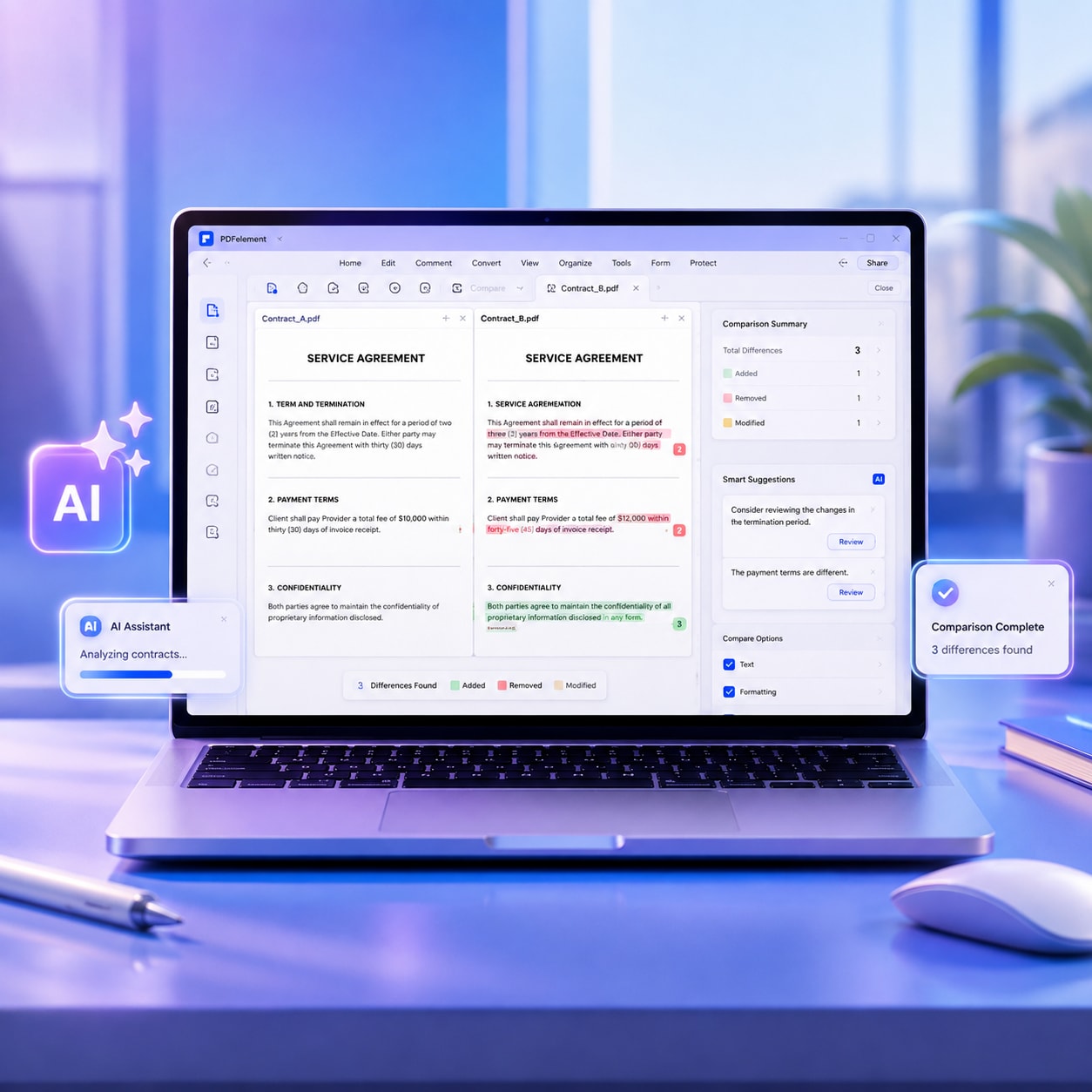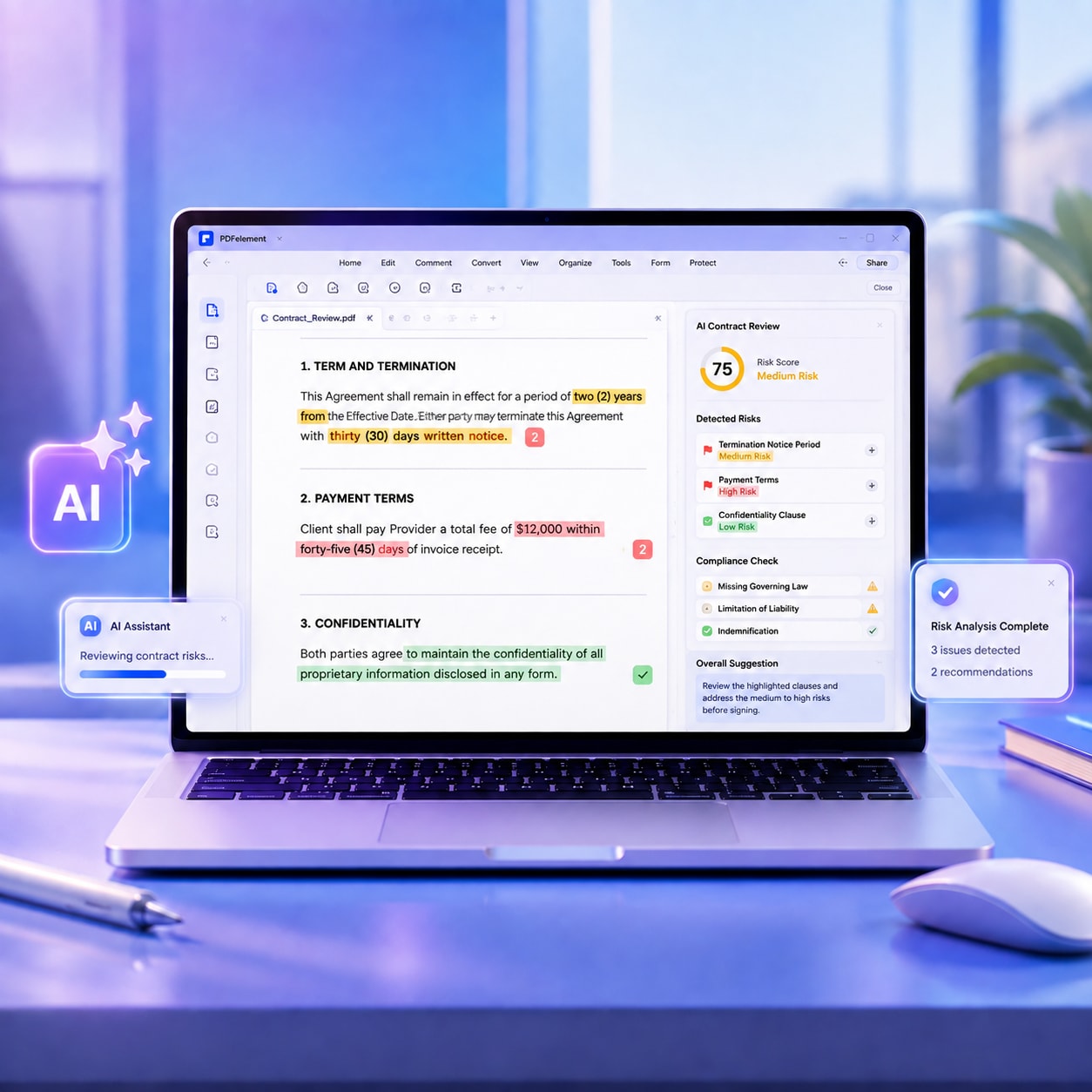

Imagine dealing with hundreds of invoices every month and realizing your folders and spreadsheets cannot keep up without invoice management software. When records are scattered, important payments start slipping through the cracks and cause real financial stress. You miss small details that later turn into bigger financial and reporting problems. Lost and delayed invoices damage supplier relationships and make it harder to understand real cash flow.
This guide explains a simple way to handle invoices from the first receipt through review, payment, and storage. You'll see how structured steps reduce errors, support compliance, and keep everyday finance work manageable.
In this article
- What is Invoice Management?
- Why Invoice Management Becomes Difficult as Volume Grows
- The Invoice Management Lifecycle
- Managing Supplier and Vendor Invoices
- What an Effective Invoice Management System Should Include
- Manual Invoice Management vs Software-Based Systems
- Using Invoice Management Software to Stay Organized
- Managing Invoices With PDFelement
- How Invoice Management Supports Expense Tracking and Tax Preparation
- Common Mistakes in Invoice Management
Part 1. What is Invoice Management?
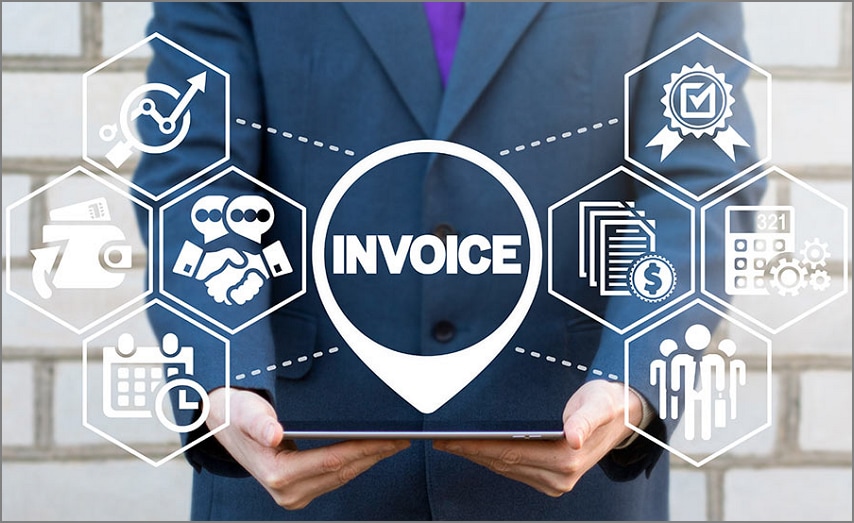
Many users often ask, "What is invoice management?" when invoices start piling up and causing confusion. It means handling every invoice you receive, from first arrival to final payment and record storage. You check details, confirm amounts, match documents, and make sure each invoice is approved and paid correctly. After approval, invoices go into a clear system that keeps records easy to find for audits and reports.
Difference between Invoicing and Invoice Management
Invoicing is about creating and sending bills to your customers, while invoice management handles the invoices you receive from others. Look at the table below to see their purpose, workflow, and typical users explained in a simple way.
| Aspect | Invoicing (Sending Invoices) | Invoice Management (Handling Received Invoices) |
| Purpose | Bill customers for products or services | Control and record what you owe suppliers |
| Direction | Money coming into the business | Money going out of the business |
| Activities | Create, edit, and send invoices | Check, approve, pay, and file invoices |
| Typical Users | Sales, billing, and revenue teams | Finance, accounts payable, and department heads |
Why Invoice Management Never Really Ends
If you are thinking invoice management is something you "set and forget," explore the reasons it never really stops.
- New Invoices: Invoices arrive every week and need regular checking, approval, and safe storage.
- Slow Approvals: Managers are often busy, which means invoice approvals can take time and need follow-up.
- Changing Details: Supplier prices and taxes change, so every new invoice needs a fresh accuracy check.
- Old Records: Finance teams need past invoices for audits and reports, and you must keep records clear and organized.


 G2 Rating: 4.5/5 |
 100% Secure
Part 2. Why Invoice Management Becomes Difficult as Volume Grows
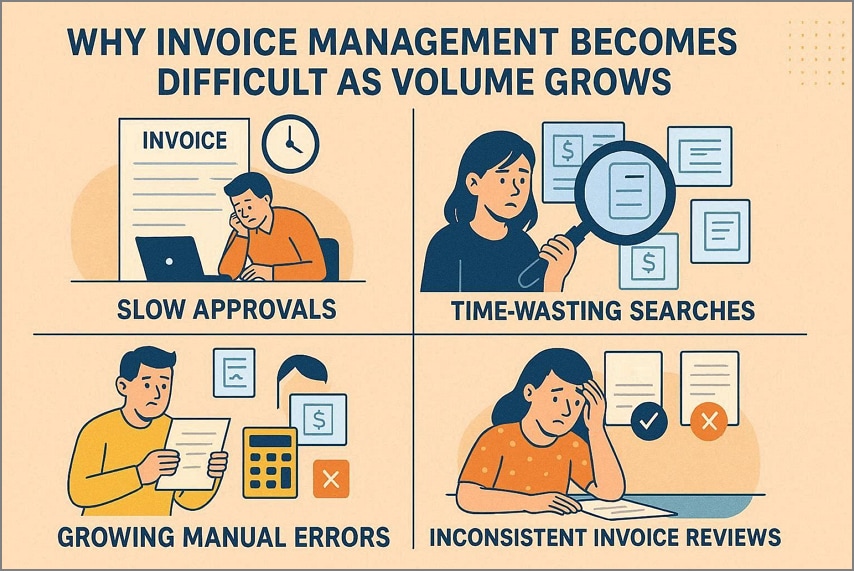
As a business grows, the number of invoices increases every month, which makes managing invoices harder over time. Manual work that felt fine with ten invoices becomes slow and confusing with hundreds. Small mistakes turn into big problems when more people and more documents are involved. To understand this better, look at the common challenges teams face with manual invoice work.
- Manual tracking takes time and makes it easy to forget which invoices are still waiting for approval.
- Paper and email invoices get lost, so teams spend extra time searching instead of doing real work.
- Hand typing invoice data leads to more errors when the number of invoices keeps increasing.
- Different formats and layouts make it harder to check details quickly when many invoices arrive together.
How Growing Problems Affect Money and Compliance
When these manual problems pile up, they do not just stay "small issues" in the background. They start to change how money moves in your business and how clean your records look to others.
- Lost Invoices: Invoices often disappear from email or paper piles. Suppliers wait longer, and payments often become late or missed.
- Duplicate Payments: The same invoice is entered twice by mistake quite often. Your business overpays suppliers and quickly runs out of working capital.
- Missing Records: Invoices are paid without proper records being safely stored. Later, nobody can prove what was paid and exactly when.
These problems hurt cash flow because money leaves the business at the wrong time. They make audits harder because auditors cannot match payments with supporting documents. Tax reporting also becomes risky, as missing or wrong invoice records can lead to errors, questions, or even penalties.
G2 Rating: 4.5/5 |100% Secure
Part 3. The Invoice Management Lifecycle
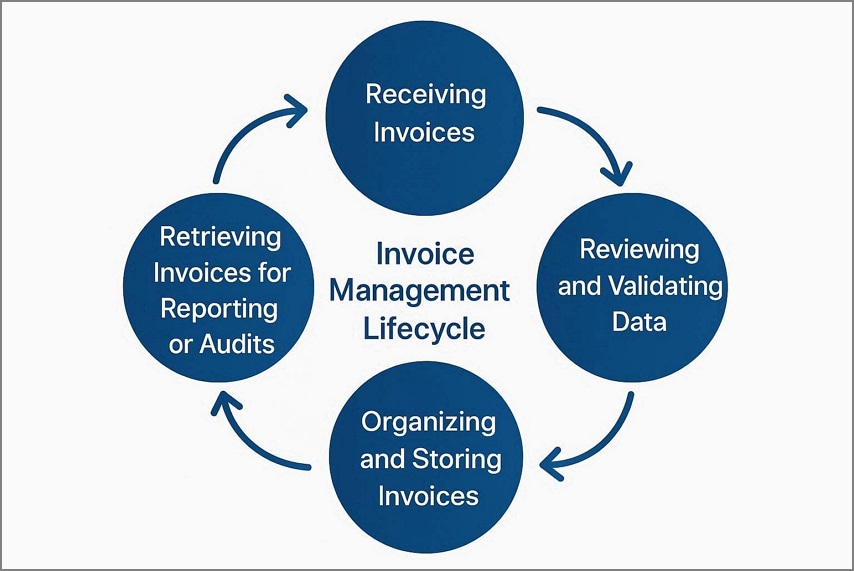
Invoice management is easier to understand when you see it as a series of simple steps. Each invoice moves through the same stages from arrival to later review or reporting. Let's break these stages down in a clear way so the flow is easy to follow.
Receiving Invoices
Invoices first arrive in your business through email and direct file uploads. The main goal is to capture every invoice in one place without missing any. When receiving is consistent, later work becomes easier because nothing is hidden in scattered inboxes or desk piles.
Reviewing and Validating Data
After receiving, someone checks each invoice to confirm that every important detail is correct and complete. This includes names, dates, and links to purchase orders and agreements. A good invoice management solution helps catch errors and duplicates early, before they turn into payment problems or disagreements later.
Organizing and Storing Invoices
Once approved, invoices move into organized storage instead of staying in random folders and email threads. A clear system groups invoices by supplier and other simple labels. When storage is tidy and consistent, people can quickly see what was paid and where the records belong.
Retrieving Invoices for Reporting or Audits
Later, finance teams or auditors need invoices for reports and compliance checks from inside the business. Fast retrieval depends on earlier steps because organized records are easier to search. When invoices are easy to find, reporting and internal reviews take less time and feel less stressful.
Part 4. Managing Supplier and Vendor Invoices
After understanding the basic invoice lifecycle, let's see how an invoice management tool supports supplier and vendor work.
Customer Invoices vs. Supplier Invoices
The table below highlights the key differences between customer invoices and supplier invoices in daily finance work.
| Aspect | Customer Invoices | Supplier Invoices |
| Direction | Money coming into your business from customers | Money going out to vendors and service providers |
| Main Owner | Sales, billing, or revenue team | Finance and accounts payable team |
| Main Goal | Collect payments for products or services sold | Pay suppliers on time and protect cash flow |
| Risk Focus | Late customer payments and bad debt | Late fees, service stops, and unhappy suppliers |
Why Supplier Invoice Management is Harder
Supplier invoices often follow many different formats and channels, which makes tracking them harder at scale. Approval needs several people, and this often leads to delays and confusion. Every mistake affects cash leaving the business, which increases pressure on teams to stay accurate.
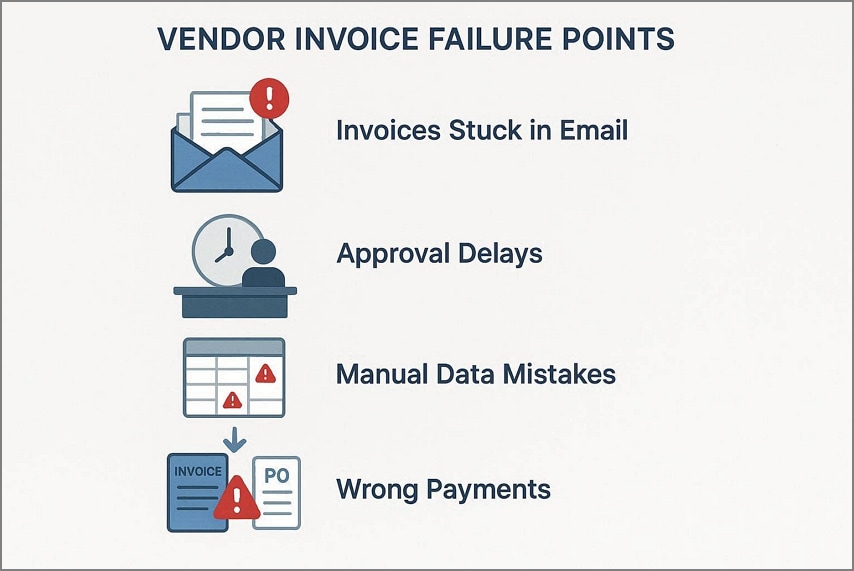
Common Failure Points in Vendor Invoice Handling
When managing invoices manually, several weak spots appear again and again in vendor handling.
- Invoices sit in email inboxes instead of moving into a visible system.
- Approvals stall when a manager is busy or unsure about the invoice details.
- Data from invoices is typed incorrectly into spreadsheets or systems, causing wrong amounts.
- Invoices that do not match purchase orders still get paid, leading to budget surprises and disputes later.
G2 Rating: 4.5/5 |100% Secure
Part 5. What an Effective Invoice Management System Should Include
An effective setup makes invoices easy to store and access across your business. Let's see how invoice management systems keep everything organized and under control from one place. This kind of structure helps teams reduce errors and avoid missed or duplicate payments.
- Centralized Invoice Storage: All invoices stay in one safe place away from email and personal folders. This makes it easy to see invoices and reduces problems with lost documents.
- Searchable and Structured Invoice Data: Each invoice stores key details like supplier and status in clear fields. This helps teams search and report without digging through PDFs.
- Verification and Audits: The system reviews each bill against the related order and receipt to find any errors. It saves every change on the invoice and helps you answer questions.
- Cloud Access and Cross-Device Support: A cloud invoice management platform lets people review and approve invoices from anywhere they work today. This keeps approvals moving during travel, remote work, or busy periods, and helps avoid late payment issues.
Part 6. Manual Invoice Management vs. Software-Based Systems
Manual invoice management uses email and folders to track bills and payments. This approach can work for a small team, yet it becomes messy as volume grows. On the other hand, software-based systems help keep everything in one place and reduce the effort needed for daily work.
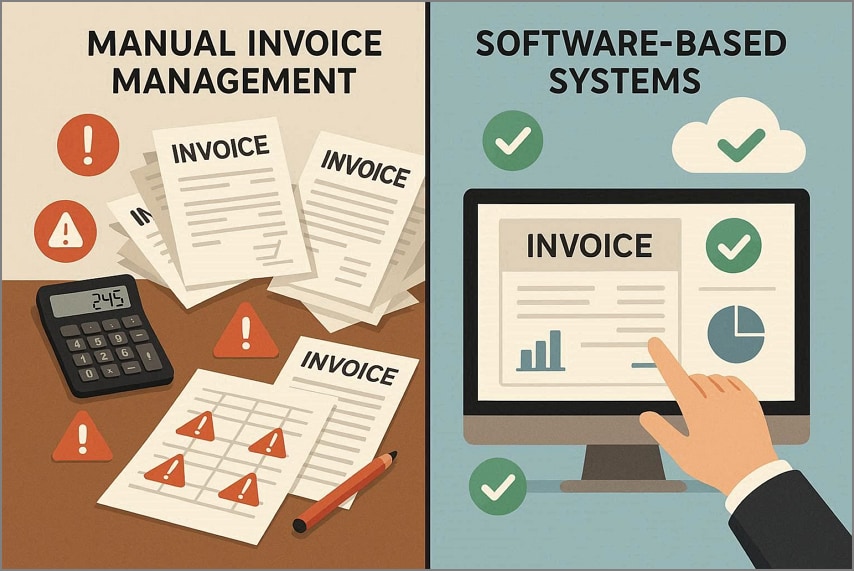
Limitations of Folders and Email
When you rely on basic tools, several limits show up again and again.
- Files are spread across inboxes and drives, and invoices are hard to find when someone needs them.
- Different spreadsheet versions cause confusion about which numbers are correct.
- People forget to update rows, so the invoice status becomes outdated or unknown.
- There is no single view of pending and paid invoices, which slows reporting and cash planning.
Risks of Human Error
Manual work brings many chances for mistakes during data entry and filing across different tools. Small errors in amounts and vendor details can cause overpayments and late fees. These problems damage supplier relationships over time and create extra work to fix incorrect records.
Why Software-Based Systems Scale Better
As invoice volume grows, software handles more work without needing many new people. A good invoice management software automates routing and checks to reduce delays and common mistakes. Centralized tracking also gives clear visibility into spend and cash needs when teams work in different locations.
Part 7. Using Invoice Management Software to Stay Organized
A simple process keeps all invoices in one place with clear owners and easy steps. Teams see what is received and what is paid without chasing emails. This structure saves finance staff time and makes daily decisions about cash and budgets easier.
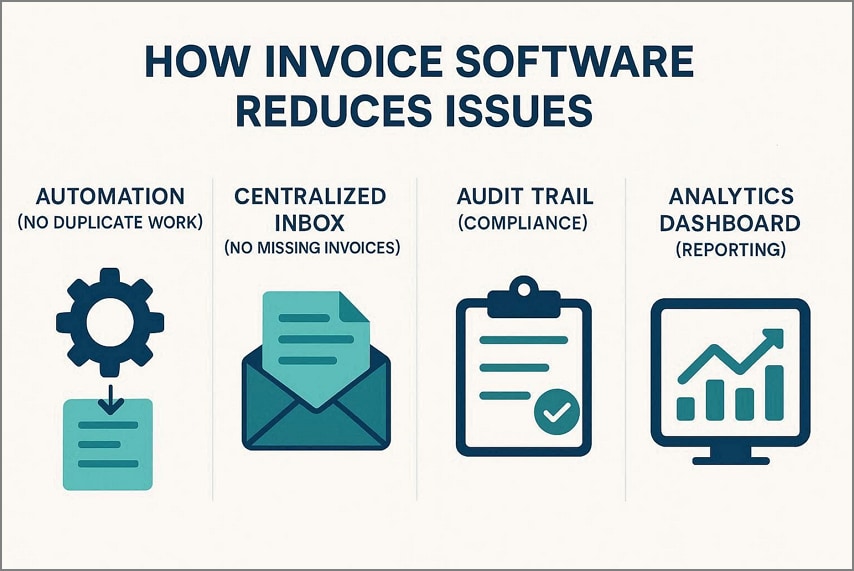
Using an invoice management solution gives more control with set approval rules and helpful reminders in the process. Clear records also support better tracking of spend and payment history across different periods and departments. When information is easy to find, managers answer questions faster and prepare reports without having to dig through old folders. Now, look at the ways software keeps your invoices organized and reduces common issues.
- Duplicate Work Reduction: It eliminates duplicate typing and helps teams avoid duplicating tasks.
- Missing Invoices Prevention: The system captures all invoices in one place, helping prevent bills from being lost or forgotten.
- Compliance and Audits: It stores approval steps and document history and supports internal rules and external audit checks.
- Reporting Support: An invoice management tool makes it easier to create reports on spending, vendors, and payment performance.
Part 8. Managing Invoices With PDFelement
Many teams struggle to track invoice files across different places and feel pressure when deadlines are close. This is where Wondershare PDFelement comes in as a secure space for handling invoice documents. It supports smoother reviews and gives finance teams more confidence during daily work and checks.
Growing businesses often outgrow basic tools and need something more dependable for important financial paperwork. A focused invoice management platform helps them bring in and manage large batches, such as importing 100+ invoices. PDFelement fills this gap by providing a reliable way to handle invoices as volumes increase.
Key Features
- Natural Integration: PDFelement fits into existing document workflows and keeps invoice files together without complex system changes.
- Multiple Source Capture: It brings in invoices from scans and shared folders into one organized workspace.
- Cross-Device Access: You can scan invoices on mobile devices and later manage them on a desktop.
- Field Extraction: The software reads invoices and automatically captures key details, reducing manual typing and basic errors.
- Cloud Invoice Storage: It stores invoices in a secure cloud environment for long-term access, backup, and streamlined document management.
G2 Rating: 4.5/5 |100% Secure
Guide to Managing Invoices With PDFelement
Now, follow the steps below to learn how to manage invoices using PDFelement:
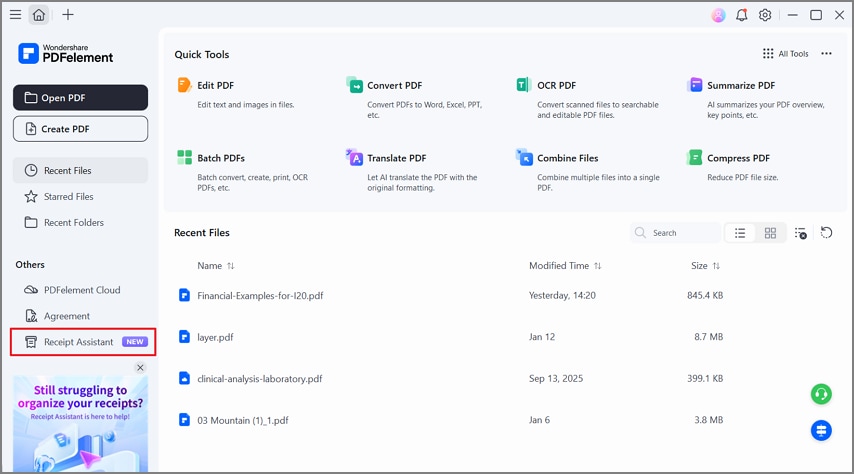
Step 1Access Receipt Assistant Feature
Once you enter the main interface, press the "Receipt Assistant" option in the left side panel to access the feature.
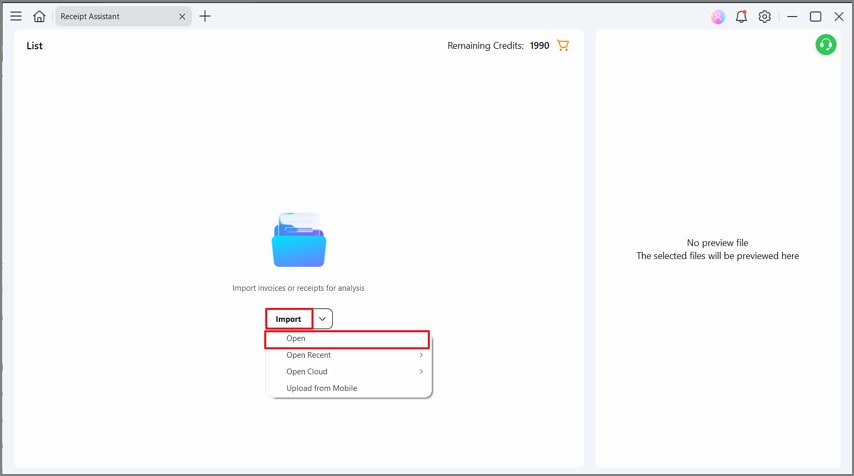
Step 2Import PDF Receipt or Invoice
Next, press the "Import" button, then select "Open" to import the receipt PDF.
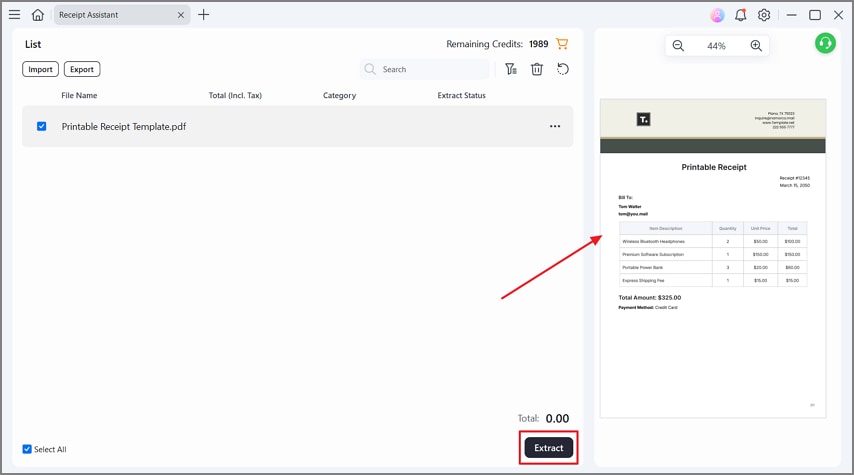
Step 3Preview Receipt and Run AI-Based Extraction
Once imported, you can preview the receipt in the right-side panel. Then, press the "Extract" button to extract data from the receipt.
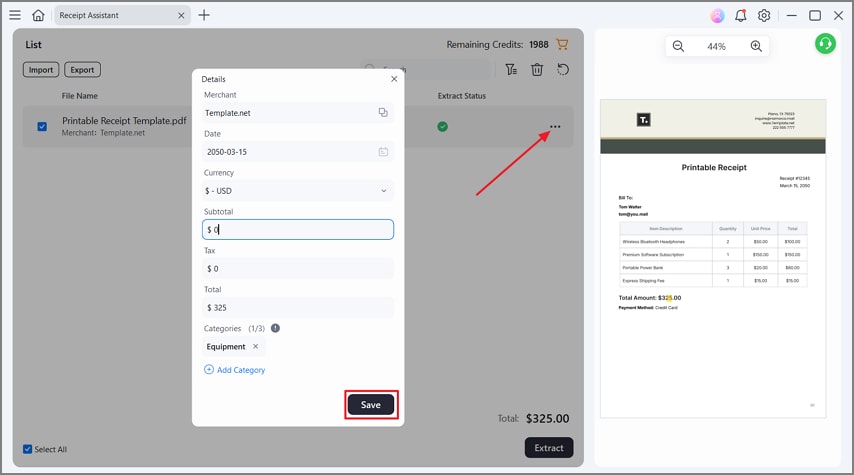
Step 4Review Extracted Receipt Details
After the details are extracted, press the "Three-Dots" icon to view and review them. If needed, edit the details, then press the "Save" button to save them.
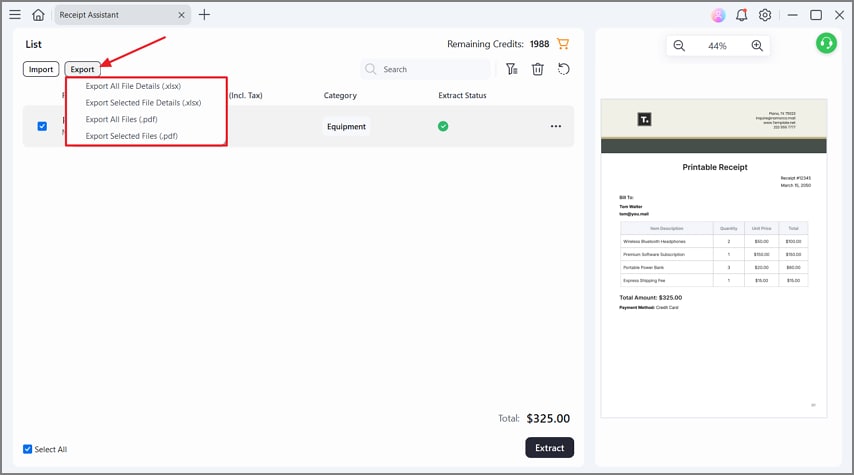
Step 5Export Receipt Data
Next, press the "Export" button and select the further export option to save the receipt data in the targeted format.
Part 9. How Invoice Management Supports Expense Tracking and Tax Preparation
Managed invoices provide a clear record of what was spent and when. This helps you create simple summaries by month and project without opening many different files or folders. A vendor invoice management system makes this easier by consolidating all expense details into a single, consistent format.
Clean invoice records also help when accountants or auditors ask for supporting documents during reviews. You can share lists of invoices plus attached files instead of searching through email and paper. This saves everyone time and reduces confusion because all important details are already recorded and easy to check.
G2 Rating: 4.5/5 |100% Secure
Why Organized Invoices Lower Tax-Time Stress
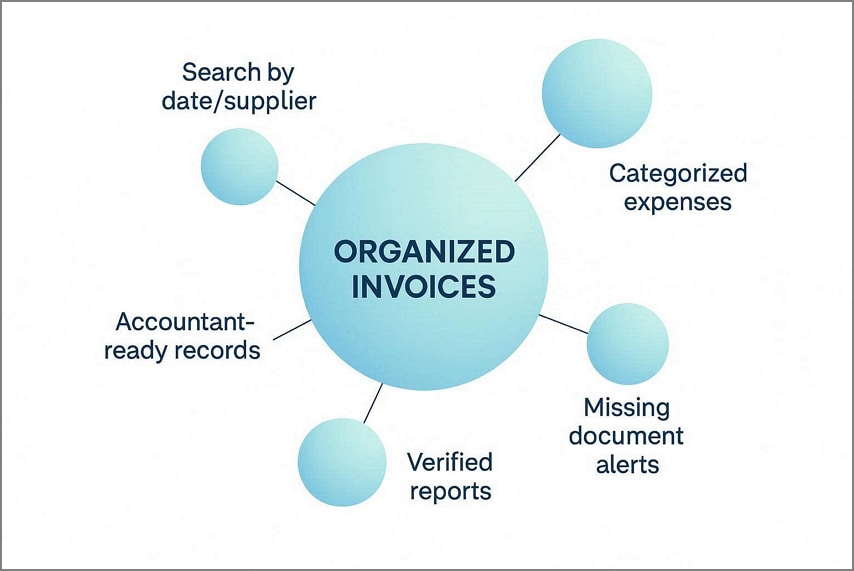
Here are simple reasons why organized invoices make tax time easier:
- You can find the required invoices by date and supplier name during tax preparation.
- All expenses are already grouped to show totals for different categories without extra work.
- You can spot missing documents early and still have time to ask suppliers.
- Accountants get complete records faster, reducing questions and back-and-forth messages during filing.
- You can trust your reports more because every expense has a clear document and a simple history attached.
Part 10. Common Mistakes in Invoice Management
After setting up basic processes for invoices, let's look at mistakes a supplier invoice management system can reduce.
- Saving Invoices as Simple Files: Many teams store invoices as plain documents and forget to follow their progress. This makes it hard to see which invoices wait for approval and which still need payment.
- Using Email as Invoice Storage: Teams keep invoices inside personal inboxes, and important files stay hidden from finance. This causes delays when people are away and slows work because others cannot find documents.
- Skipping Verification: Some invoices are paid without checking details against orders and previous bills for the same supplier. This increases the risk of paying the wrong amount and makes disputes harder to resolve later.
People Also Ask
-
What is invoice management software?
An invoice management tool helps you record, track, approve, and store invoices in one place. It reduces manual work, reduces errors, and provides a clear view of which invoices need payment next. -
How do businesses manage invoices efficiently?
Businesses manage invoices by following clear steps for receiving, reviewing, and paying each invoice. Many teams use tools like PDFelement to organize documents and keep all related files easy to find. -
Do I need invoice management software for small teams?
Small teams can start with simple tools but still face confusion as invoice numbers and vendor lists grow. Invoice management software, such as PDFelement, helps even small teams stay organized and avoid missed payments or lost documents. -
What is the difference between invoicing and invoice management?
Invoicing means creating and sending bills to customers so you can receive payments for your services. Invoice management involves handling incoming supplier invoices, tracking status, approvals, and payments with the best invoice management software. -
How should supplier invoices be managed?
Supplier invoices should be captured in a single system, carefully reviewed, approved by the appropriate people, and paid on time. A tool like PDFelement can help store files, support reviews, and keep supplier records easy to manage.
Wrap-up: Building a Reliable Invoice Management System
In conclusion, invoice management is about control, not simple storage, and every process should focus on accuracy and transparency. Invoice management software reduces manual errors, improves visibility, and centralizes all records for verification. When invoices are captured, checked, and organized in one place, tools like PDFelement help maintain consistency at scale.